





















⚔️ Attack Methodology Simulation
Watch APT28's attack progression unfold through CSS animation. This visualization demonstrates the systematic approach used by Russian military intelligence operatives.
Gathering Phase
🎯 Why It Matters
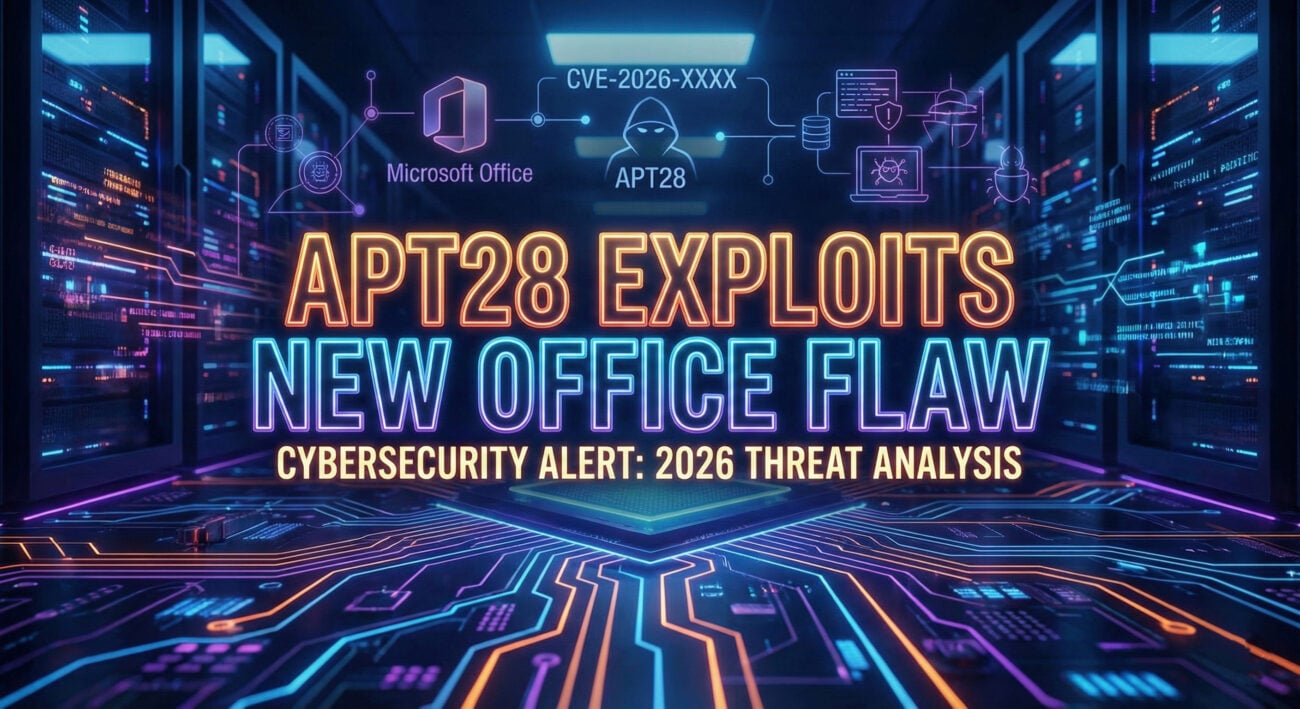
APT28 represents one of the most sophisticated and persistent cyber threats to democratic institutions worldwide. Operating under the direction of Russia's GRU (Main Intelligence Directorate), this group has conducted campaigns that have fundamentally altered the cybersecurity landscape and raised critical questions about election integrity.
Notable Operations
- 2016 DNC Hack: Breached Democratic National Committee servers, resulting in the leak of thousands of emails during the U.S. presidential election
- NotPetya Ransomware: Contributed to one of the most destructive cyberattacks in history, causing billions in damages worldwide
- Election Interference: Systematic targeting of election infrastructure and political campaigns across multiple countries
- Olympic Destroyer: Disrupted the 2018 Winter Olympics opening ceremony in Pyeongchang
External Resources
📚 Key Terms & Concepts
Simple Definition
"APT28, also known as Fancy Bear, Sofacy, or STRONTIUM, is a Russian military intelligence (GRU)-linked hacking group that conducts cyber espionage and influence operations for Russian geopolitical interests."
Everyday Analogy
🎭 The Digital Special Forces
Think of APT28 as a digital special forces unit operating under state command. Like elite military teams that conduct surgical strikes behind enemy lines, APT28 operates with precision, resources, and strategic objectives. They don't randomly attack, they carefully select targets that advance Russian geopolitical goals: political campaigns, government agencies, military organizations, and critical infrastructure.
🎯 The Political Puppet Masters
Imagine invisible hands pulling strings in a global theater. APT28 doesn't just steal information, they weaponize it. A stolen email isn't just data loss; it becomes a tool for influence operations, designed to sway public opinion, undermine trust in democratic institutions, and create social discord in target nations.
🕸️ The Persistent Hunter
Unlike opportunistic criminals who cast wide nets, APT28 is like a patient hunter stalking specific prey. They may spend months researching a target, crafting personalized phishing emails, and developing custom malware. Their persistence means they'll try repeatedly until they succeed, or until detected.
Key Terminology
APT
Advanced Persistent Threat - A sophisticated, long-term attack by a well-resourced adversary
GRU
Glavnoye Razvedyvatelnoye Upravlenie - Russia's military intelligence agency
Spear Phishing
Targeted phishing attacks customized for specific individuals or organizations
Zero-Day
Exploits targeting previously unknown vulnerabilities with no existing patch
📖 Real-World Scenario: The Campaign Manager's Nightmare
Jennifer Harper
Campaign Manager for a U.S. Senate candidate • 15 years in political consulting • Security-conscious but busy
A Seemingly Normal Morning
Jennifer receives an email appearing to be from a colleague on the campaign trail. The subject line reads: "URGENT: Poll Numbers We Need to Discuss" with an attached PDF. She's in the middle of preparing for a debate and clicks without thinking. The document opens normally, it's a real poll from last week, slightly modified. Nothing seems wrong.
What she doesn't know: The email was crafted by APT28 operatives who had been monitoring her communications for weeks, studying her habits and contacts.
Subtle Warning Signs
Her email runs slightly slower. A colleague mentions they received a strange email "from her" that she didn't send. Jennifer changes her password but doesn't report the incident. The campaign's IT person is overwhelmed and doesn't investigate further.
What's happening: APT28 has established a foothold and is silently exfiltrating campaign strategy documents, donor lists, and opposition research.
The Leak
Internal campaign emails begin appearing on a shadowy website. Media outlets pick up the story. Controversial strategy discussions are taken out of context. Donors are embarrassed. The candidate's poll numbers drop 8 points in three days. Jennifer realizes the breach but it's too late.
The damage: Beyond the immediate political impact, trust in the campaign is eroded, and the opposition gains access to strategic planning documents.
Lessons Learned Too Late
The campaign hires a cybersecurity firm. They discover the original phishing email, traces of sophisticated malware, and evidence of data exfiltration to servers in multiple countries. The FBI gets involved. Jennifer wishes she had recognized the warning signs and taken basic security precautions.
⚠️ The Takeaway
Jennifer's story illustrates how even security-aware individuals can fall victim to sophisticated APT28 campaigns. The group researches targets thoroughly, crafts convincing lures, and exploits the human tendency to trust messages that appear legitimate. This is why defense-in-depth, multiple layers of security, is essential.
🛡️ Step-by-Step Protection Guide
Defending against APT28 requires a comprehensive approach. These steps, implemented together, create multiple layers of protection.
🔐 Multi-Factor Authentication (MFA)
- Implement hardware security keys (YubiKey) for all critical accounts, these cannot be phished remotely
- Use authenticator apps (not SMS) as a minimum standard for email and cloud services
- Require MFA for all campaign staff and contractors with access to sensitive systems
🎓 Phishing Resistance Training
- Conduct regular simulated phishing exercises with immediate feedback
- Train staff to recognize APT28's trademark techniques: urgent political content, spoofed colleague addresses
- Establish clear reporting procedures for suspicious emails, no punishment for reporting
🏛️ Political Campaign Security
- Implement security clearance-like vetting for anyone with system access
- Use dedicated, secured devices for campaign communications, no personal phones
- Segment networks: isolate donor databases from general communications
🔍 Credential Monitoring
- Subscribe to breach notification services for all staff email addresses
- Monitor for credential dumps on dark web forums
- Implement password policies that prevent reuse across platforms
📧 Email Authentication
- Deploy DMARC, DKIM, and SPF records to prevent domain spoofing
- Configure DMARC reporting to detect unauthorized use of your domain
- Work with email providers to implement BIMI for verified sender logos
📊 Threat Intelligence
- Subscribe to threat feeds specific to nation-state actors and election security
- Share indicators of compromise (IOCs) with partner organizations and CISA
- Monitor APT28's known TTPs through MITRE ATT&CK framework
🚨 Incident Response
- Develop and practice an incident response plan before you need it
- Establish relationships with FBI and CISA before an incident occurs
- Create communication protocols for when (not if) a breach occurs
⚠️ Common Mistakes & Best Practices
❌ Common Mistakes
-
✗
Weak Passwords
Using simple or reused passwords across accounts. APT28 regularly tests stolen credentials against multiple services. -
✗
No MFA on Email
Email is the gateway to everything else. Without MFA, compromised email means compromised everything. -
✗
Ignoring Threat Intel
Dismissing threat reports as "not relevant to us." APT28 targets organizations of all sizes in political orbits. -
✗
Poor Email Security
Not implementing DMARC/DKIM/SPF, allowing spoofed emails to reach staff inboxes undetected. -
✗
Assuming "We're Not a Target"
Thinking you're too small or insignificant. APT28 often uses smaller organizations as stepping stones to larger targets.
✓ Best Practices
-
✓
Hardware Security Keys
YubiKeys or similar FIDO2-compliant keys provide unphishable authentication that SMS and apps cannot match. -
✓
Regular Security Audits
Conduct penetration testing and security assessments at least annually, and after any significant changes. -
✓
Active Threat Hunting
Don't wait for alerts. Proactively search for indicators of compromise in your environment. -
✓
Network Segmentation
Separate critical systems from general access. Limit lateral movement opportunities for attackers. -
✓
Security Awareness Culture
Make security everyone's responsibility. Reward reporting of suspicious activity, don't punish mistakes.
🔴 Red Team vs 🔵 Blue Team Perspective
Understanding both offensive and defensive perspectives is crucial for comprehensive security.
🔴 Red Team: APT28's Tactics
Offensive PerspectiveAggressive, Politically-Motivated Operations
- Conduct extensive reconnaissance on targets using open-source intelligence (OSINT) and social engineering
- Develop custom malware variants (X-Agent, X-Tunnel, Zebrocy) to evade detection
- Exploit zero-day vulnerabilities in widely-used software (Microsoft Office, Adobe Flash)
- Use legitimate services (Twitter, GitHub) for command and control to blend with normal traffic
- Time attacks for maximum political impact during elections or international crises
- Operate with impunity from Russian territory, protected by state sponsorship
Signature Techniques
- Spear phishing with political themes and urgent subject lines
- Password spraying attacks against cloud services
- Registering lookalike domains for credential harvesting
- Data exfiltration through encrypted channels
- Strategic leaking of stolen information for influence operations
🔵 Blue Team: Defense Strategies
Defensive PerspectiveDetecting Credential Harvesting
- Monitor for suspicious authentication attempts from unusual locations
- Implement anomaly detection on login patterns and email forwarding rules
- Use URL filtering and sandboxing for email attachments
- Deploy email gateway solutions with advanced threat protection
- Monitor DNS queries for connections to known malicious domains
Protecting Political Organizations
- Establish security operations center (SOC) monitoring during critical periods
- Implement least-privilege access controls
- Conduct regular vulnerability assessments and patch management
- Deploy endpoint detection and response (EDR) solutions
- Create honeypots and deception technology to detect intrusions early
- Coordinate with law enforcement and election security partners
👁️ Threat Hunter's Eye
Advanced insights for security professionals hunting APT28 in their environments.
How APT28 Uses Legitimate Services for Command and Control
APT28 has used Twitter accounts with encoded commands hidden in image metadata and tweet content. Monitor for unusual API calls to social media platforms from corporate networks.
The group leverages legitimate cloud services (Dropbox, Google Drive, OneDrive) for data exfiltration, blending with normal traffic. Look for unusual upload patterns or unfamiliar accounts.
APT28 has hidden malware and C2 infrastructure in GitHub repositories, appearing as legitimate development activity. Monitor for connections to unfamiliar repositories or unusual git protocol traffic.
Using CDN infrastructure to hide true C2 destination. Requests appear to go to legitimate high-reputation domains. Look for TLS inconsistencies and unusual traffic patterns through CDNs.
🎯 Indicators to Hunt For
- • Unusual PowerShell or WMI activity
- • Scheduled tasks created by unusual processes
- • DNS queries with high entropy subdomains
- • Outbound connections to newly registered domains
- • Office documents spawning processes
- • Credential dumping attempts (LSASS access)
- • Email forwarding rules to external addresses
- • Data staging in unusual directories
🛡️ Protect Democratic Processes
APT28 represents an ongoing threat to democratic institutions worldwide. The defense of our political systems requires vigilance, cooperation, and proactive security measures. Every organization, regardless of size, plays a role in the larger security ecosystem.
"The price of liberty is eternal vigilance." , In cybersecurity, this means constant monitoring, continuous improvement, and unwavering commitment to protecting the systems that underpin our democracy.