





















Critical Vulnerabilities in Anthropic’s MCP Git Server Allow File Access and Code Execution
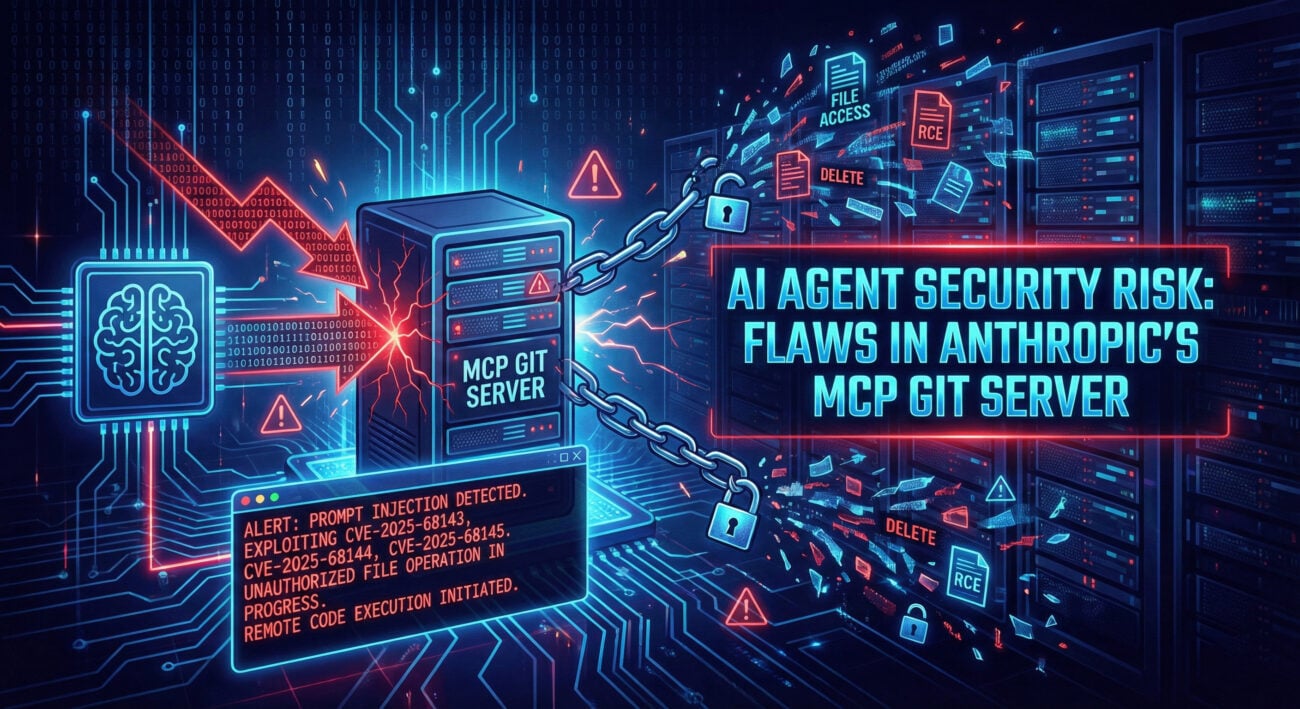
In the rapidly evolving landscape of AI-integrated development, a critical security flaw recently came to light. Researchers discovered not one, but three severe vulnerabilities in Anthropic’s official Git Model Context Protocol (MCP) server. These MCP server vulnerabilities (CVE-2025-68143, CVE-2025-68144, CVE-2025-68145) created a perfect storm, allowing attackers to read sensitive files, delete data, and ultimately execute malicious code on vulnerable systems. This incident serves as a stark warning about the security risks in the AI toolchain and underscores why every developer and security professional must understand the mechanics of such attacks.
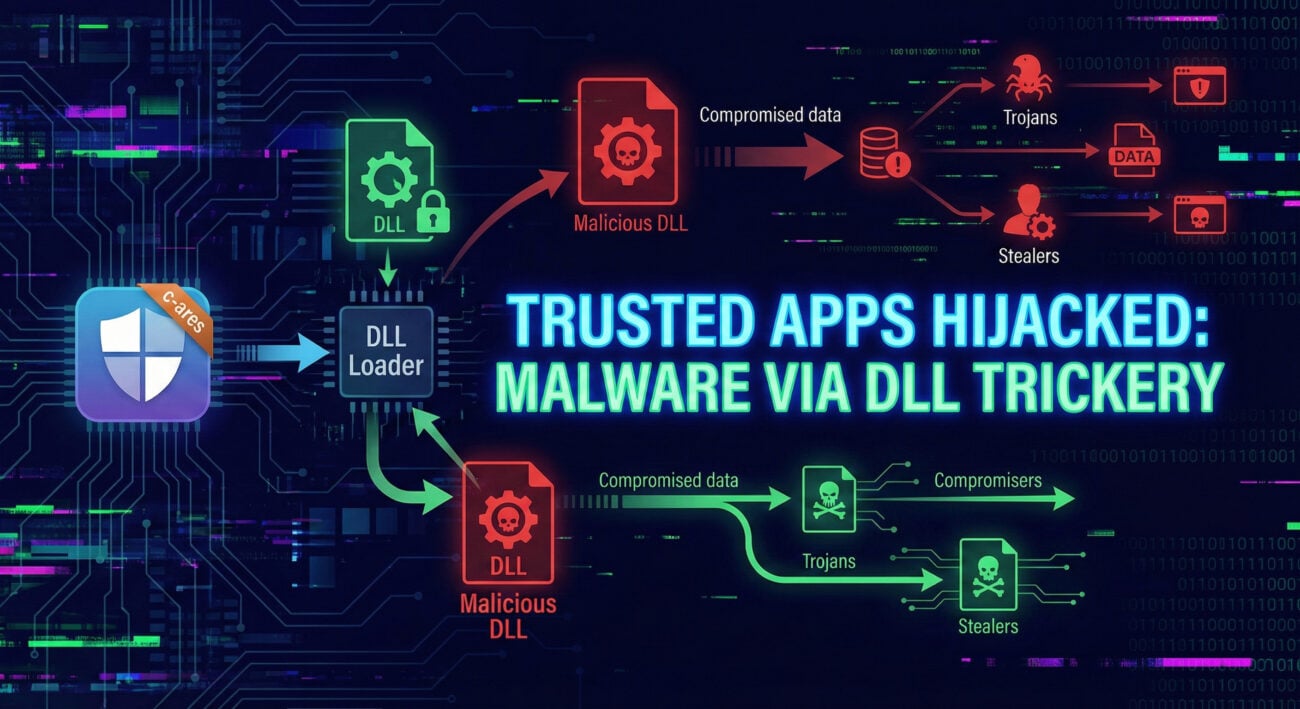
LinkedIn Messages Deliver Malware Via DLL Sideloading

In a disturbing evolution of social engineering, hackers have turned the world’s largest professional network into a weapon. A sophisticated new LinkedIn malware attack campaign is actively targeting professionals by weaponizing seemingly legitimate LinkedIn messages to deliver dangerous malware payloads. This attack bypasses traditional email phishing defenses by leveraging the inherent trust and professional context of LinkedIn communications.
The Unseen Danger of Abandoned Accounts
In the sprawling digital landscape of a modern organization, user accounts are created for employees, contractors, and service bots. But what happens when the person leaves, the project ends, or the contractor’s role is complete? Too often, the associated accounts are forgotten, left active, unmonitored, and unmanaged. These are orphan accounts, and they represent one of the most pervasive and underestimated security risks in cybersecurity today.
Imagine leaving a spare key to your office under the doormat after an employee quits. A threat actor finds that key. That’s the essence of an orphan account. This guide will demystify this hidden danger, explain exactly how attackers exploit them using recognized MITRE ATT&CK techniques, and provide you with a clear, actionable framework to find and neutralize these threats.
VS Code Extensions Exploited by Evelyn Stealer for Data Theft
The trusted tools in a developer’s arsenal are becoming the latest attack vector. A sophisticated new malware campaign is weaponizing the Microsoft Visual Studio Code (VS Code) extension marketplace to deliver a powerful information stealer called Evelyn Stealer. This malware specifically targets software developers, a high-value target group with access to critical credentials, proprietary code, and organizational infrastructure. Understanding the mechanics of this attack is the first step in building effective defenses for your development environment.
Cloudflare Patches ACME Bug That Permitted WAF Bypass
In January 2026, cybersecurity researchers discovered a critical vulnerability in Cloudflare’s implementation of the ACME (Automated Certificate Management Environment) protocol that could have allowed attackers to obtain valid SSL/TLS certificates for domains they didn’t own. This bug, while promptly patched, revealed fundamental flaws in certificate validation logic that threaten the foundation of web security. The ACME protocol vulnerability highlights how even trusted security providers can inadvertently introduce critical weaknesses into the global internet infrastructure.
Why JavaScript Bundles Continue to Leak Undiscovered Secrets

Imagine building a secure fortress with a massive steel door, bulletproof windows, and armed guards, but then writing the access codes on the outside wall in paint that only some people can see. This is the paradox of modern web application security, where sensitive secrets like API keys, database credentials, and access tokens are being inadvertently baked into the public-facing JavaScript bundle secrets that power single-page applications (SPAs).
Tudou Guarantee Halts Telegram Transactions, Having Handled More Than $12 Billion.

In January 2026, the cybersecurity landscape witnessed a significant event: the operational halt of “Tudou Guarantee,” a massive Telegram-based illicit marketplace. Blockchain intelligence firm Elliptic revealed this platform had processed over $12 billion in cryptocurrency transactions, cementing its place as one of the largest cyber fraud hubs in history.
Security Flaw in Google Gemini Allowed Access to Private Calendars via Fake Invites

Large Language Models (LLMs) like Google’s Gemini are revolutionizing how we interact with technology. However, this power introduces a novel and dangerous attack vector: prompt injection. Recently, a significant vulnerability highlighting this threat was demonstrated against Gemini. This flaw isn’t just a bug; it’s a fundamental challenge in the security architecture of AI systems. Understanding Gemini prompt injection is now crucial for developers, security teams, and anyone deploying AI applications.
The Hidden Toll of Cloud Downtime

The promise of the cloud was unbreakable uptime. The reality, as data from 2024-2025 shows, is a different story. Popular DevOps SaaS platforms like GitHub, Jira, and Azure DevOps experienced a staggering 69% year-over-year increase in critical incidents, resulting in over 9,255 hours of degraded performance or outright downtime in 2025 alone.
StackWarp Flaw Bypasses AMD SEV-SNP on Zen 1–5 CPUs

AMD StackWarp hardware vulnerability represents a paradigm shift in processor security threats. Discovered in early 2026 and detailed by security researchers, this hardware-level flaw fundamentally breaks AMD’s built-in memory protection mechanisms, creating a new attack surface that bypasses decades of software security advancements. This comprehensive guide explains the technical details in beginner-friendly terms, maps the attack to the MITRE ATT&CK framework, and provides actionable defense strategies for cybersecurity professionals and students.