


















































Cybersecurity Predictions 2026: The Hype We Can Ignore (And the Risks We Can’t)

Every year, the cybersecurity industry is flooded with dire predictions and sensational headlines. As we look toward 2026, separating the credible threats from the overhyped noise is more critical than ever for effective defense. This analysis cuts through the hype, focusing on the evolving tactics of adversaries, the practical implications for defenders, and the actionable steps you can take to build resilience. We’ll map these future trends to real-world frameworks like MITRE ATT&CK to give you a concrete, technical understanding of what’s coming.
Trend Micro Apex Central RCE Flaw Scores 9.8 CVSS in On-Prem Windows Versions
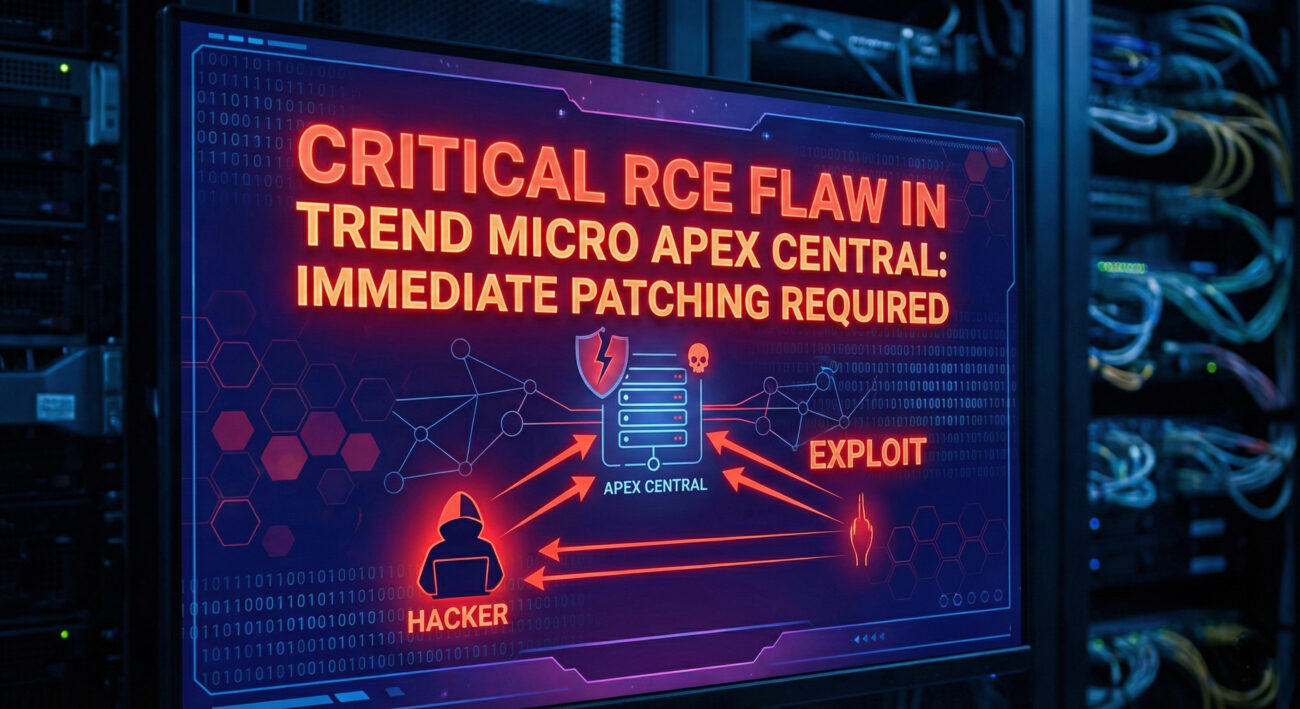
A recently disclosed critical vulnerability in Trend Micro’s Apex Central security management platform has sent shockwaves through the cybersecurity community. Tracked as CVE-2025-25069, this remote code execution (RCE) flaw with a staggering CVSS score of 9.6 allows unauthenticated attackers to execute arbitrary code on affected systems. For cybersecurity professionals, IT administrators, and anyone responsible for enterprise security, understanding this RCE vulnerability is not optional, it’s an urgent necessity.
CISA Retires 10 Emergency Cybersecurity Directives Issued Between 2019 and 2024
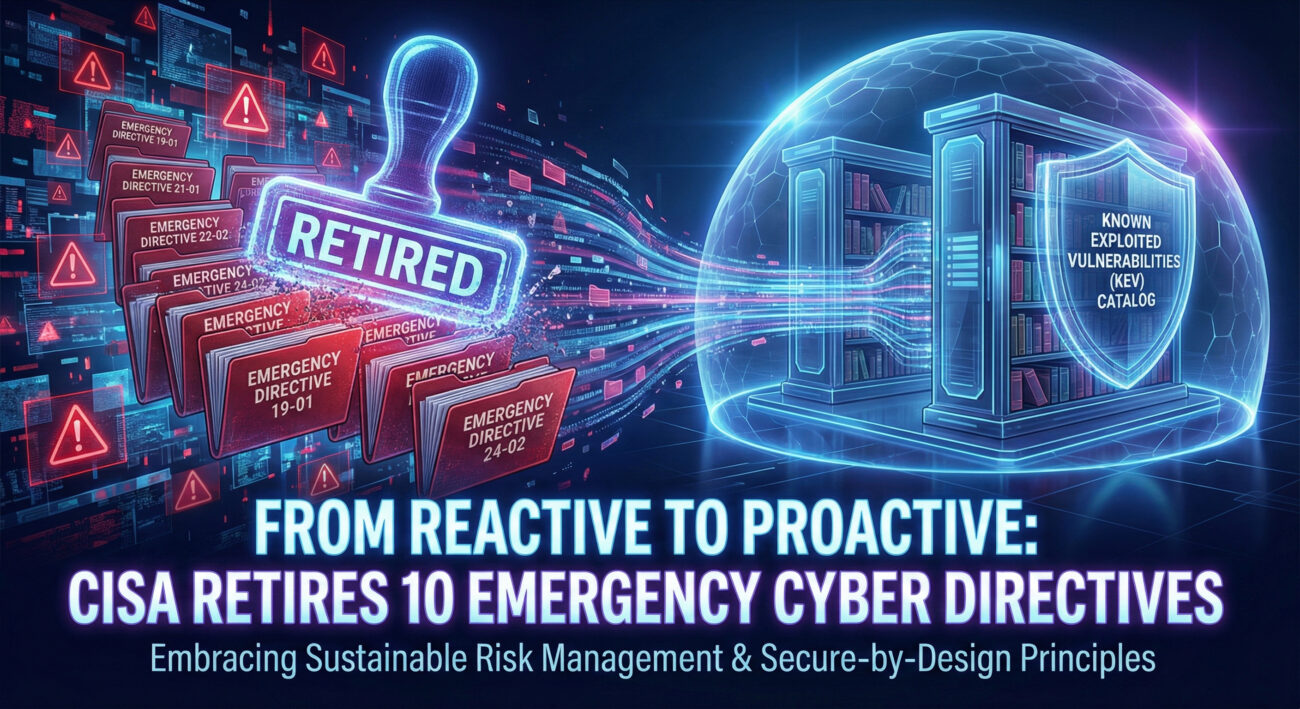
In a significant move signaling a shift in the national cybersecurity posture, the U.S. Cybersecurity and Infrastructure Security Agency (CISA) recently announced the retirement of ten emergency directives issued between 2019 and 2024. This CISA emergency directives retirement is not a rollback of security but a landmark achievement, it represents the successful institutionalization of urgent, reactive patches into enduring, proactive defense frameworks. For cybersecurity professionals and beginners alike, this event offers a masterclass in effective vulnerability management and the evolution from crisis response to strategic resilience. This blog post will decode the technical and strategic implications of this milestone, linking the retired directives to real-world attacks and the MITRE ATT&CK framework, and provide actionable lessons for organizations of all sizes.
FBI Warns North Korean Hackers Using Malicious QR Codes in Spear-Phishing

The digital landscape has a new, insidious threat that cleverly bypasses your deskbound defenses. In a stark advisory, the U.S. Federal Bureau of Investigation (FBI) has warned that North Korean state-sponsored hackers are increasingly using malicious QR codes in targeted spear-phishing campaigns, a technique now dubbed “quishing.” This attack vector is particularly dangerous because it shifts the target from your secured work computer to your personal, often less-protected, mobile device.
WhatsApp Worm Spreads Astaroth Banking Trojan Across Brazil via Contact Auto-Messaging
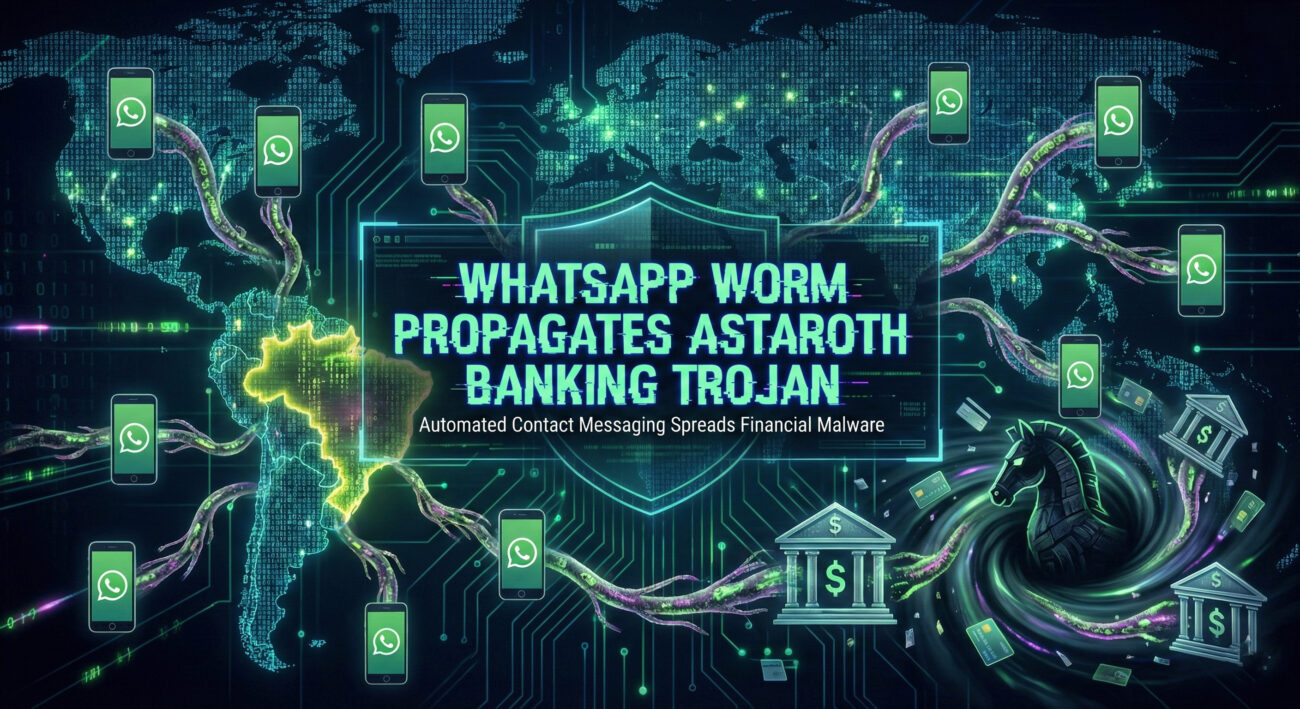
In early 2026, a sophisticated WhatsApp worm attack demonstrated a dangerous evolution in cybercrime, turning the world’s most popular messaging app into a vehicle for a devastating banking trojan. This campaign, primarily targeting Brazil, leveraged human trust and automated messaging to spread the notorious Astaroth malware (also known as Guildma).
China-Linked UAT-7290 Targets Telecoms with Linux Malware and ORB Nodes
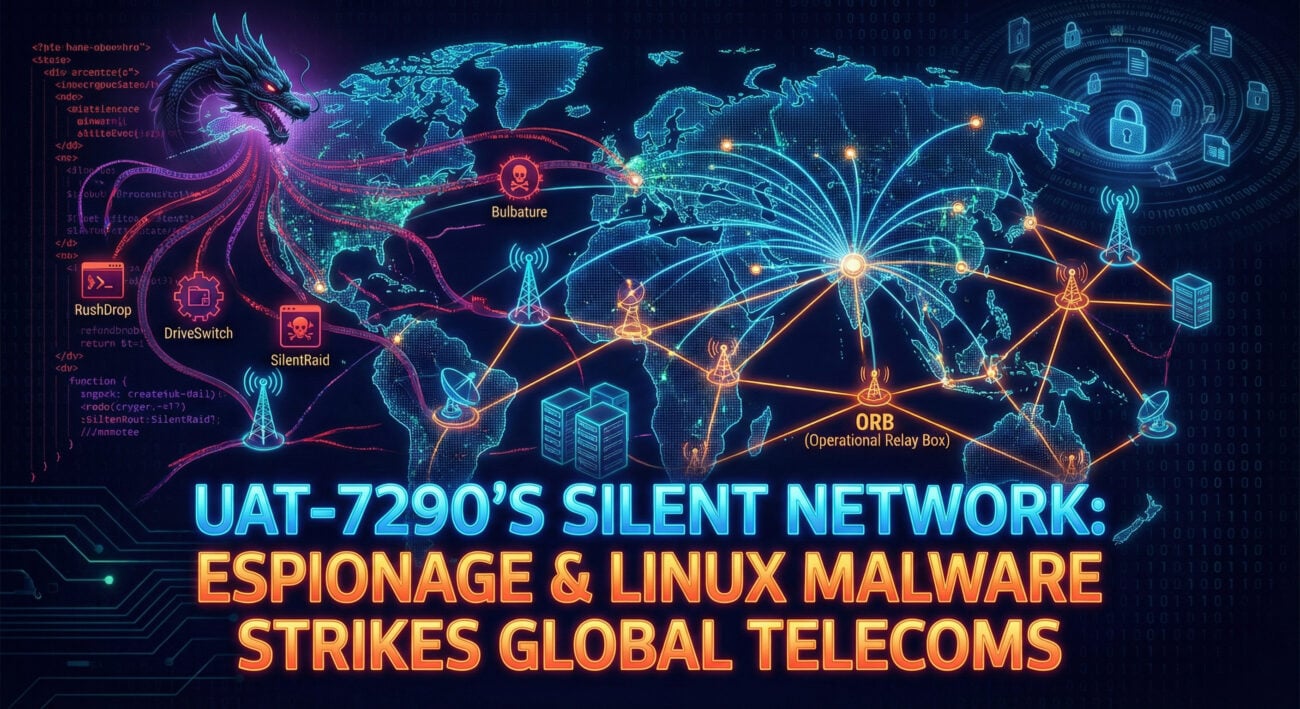
In the complex landscape of modern cyber-espionage, the UAT-7290 telecom attack stands out as a sophisticated and multi-faceted campaign. Targeting critical telecommunications infrastructure in South Asia and Southeastern Europe, this threat actor leverages a unique blend of Linux-based malware and the creation of secret Operational Relay Box (ORB) networks. For cybersecurity professionals and beginners alike, understanding this attack is crucial, as it reveals how state-aligned groups burrow deep into networks not just to steal secrets, but to build infrastructure for future attacks by other actors.
Assessing Trust in Today’s Open Source Ecosystem
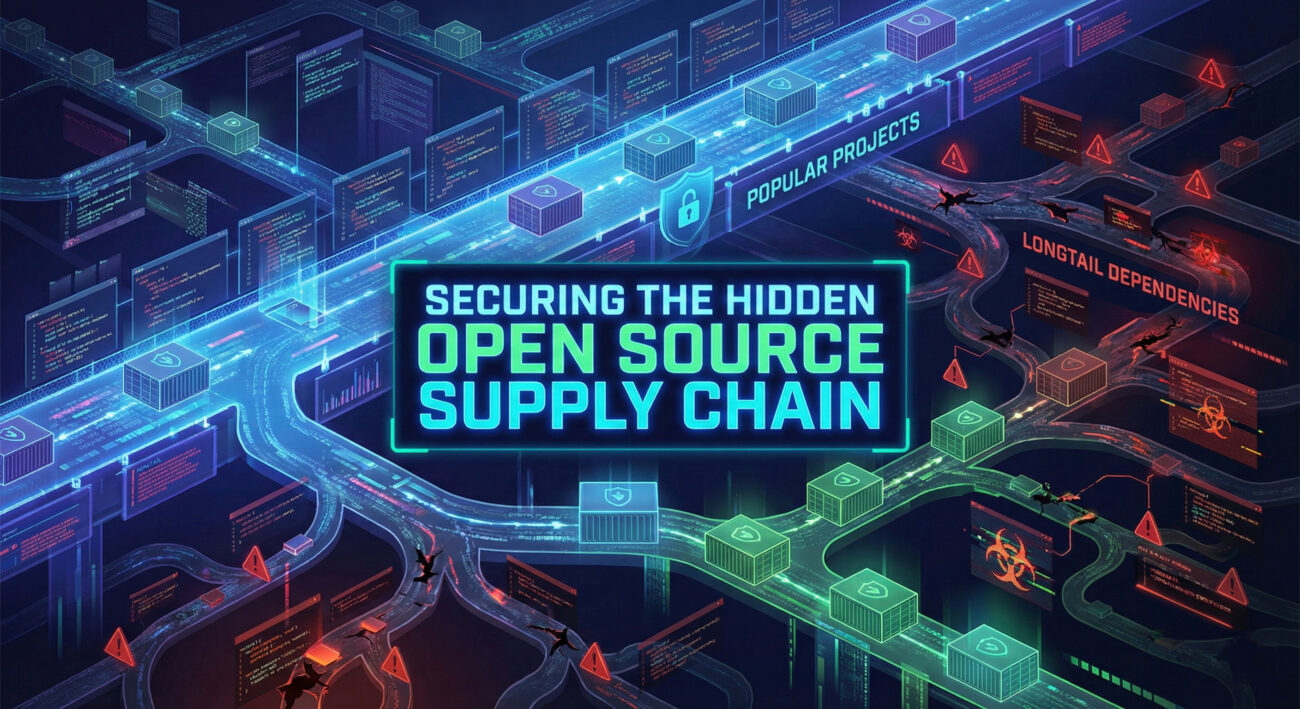
Modern software is built on a foundation of open source components. Studies show that over 90% of codebases contain open source dependencies, making open source supply chain security one of the most critical cybersecurity challenges of our time. Yet, this interconnected ecosystem has become a prime target for sophisticated threat actors.
Cisco Patches ISE Security Vulnerability After Public PoC Exploit Release

A recent disclosure by Cisco has spotlighted a critical concept in enterprise security: the privilege boundary. Tracked as CVE-2026-20029, this vulnerability in Cisco’s Identity Services Engine (ISE) isn’t just another bug; it’s a textbook case of a privilege boundary bypass. This flaw allowed an authenticated administrator, a supposedly trusted user, to step beyond their intended permissions and read sensitive files on the underlying operating system. In this deep dive, we’ll unpack how this XML parsing vulnerability works, map it to the MITRE ATT&CK framework, and provide a clear, actionable guide for both Red and Blue Teams. Understanding this privilege boundary bypass is essential for anyone responsible for securing network access control systems.
Researchers Uncover NodeCordRAT Hidden in npm Bitcoin-Themed Packages
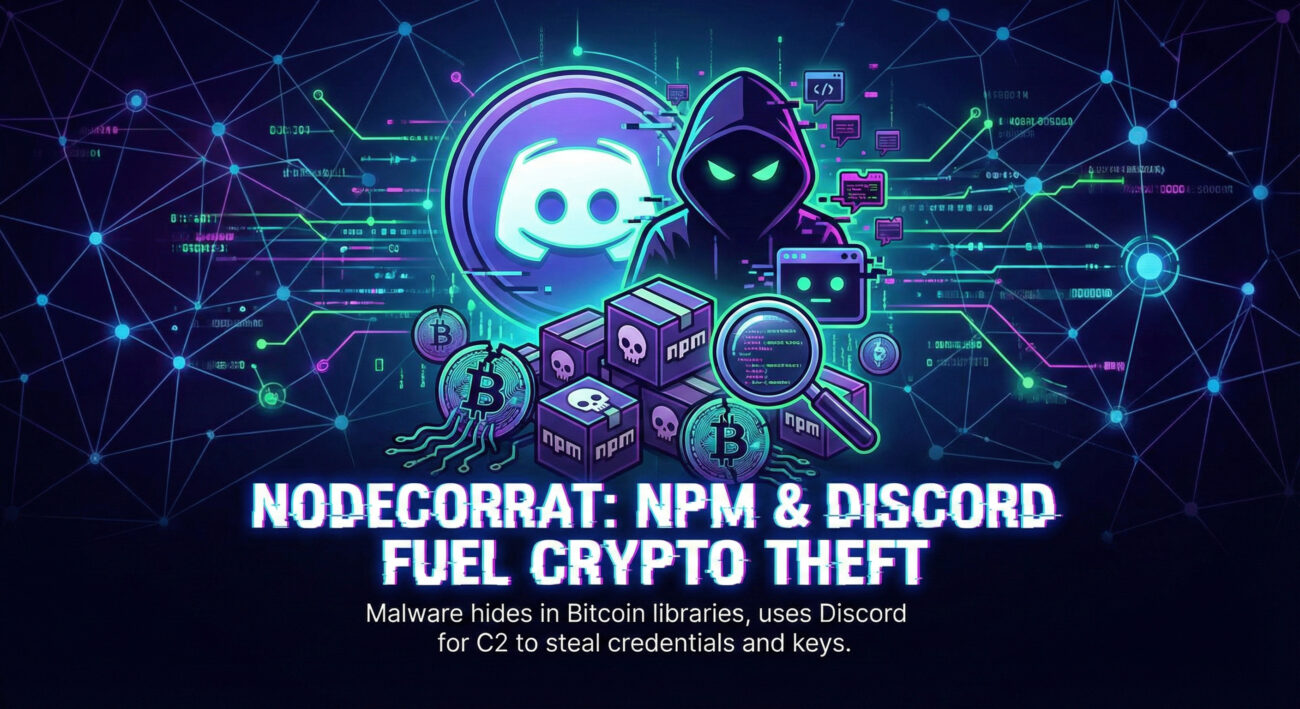
In the ever-evolving landscape of cyber threats, a new player has emerged that leverages a platform millions trust daily: Discord. NodeCordRAT is a sophisticated Remote Access Trojan (RAT) written in Node.js that uses Discord’s webhook functionality as its command and control (C2) channel. This beginner-friendly deep dive will dissect how this malware operates, maps to the MITRE ATT&CK framework, and most importantly, how you can defend against it.
Coolify Discloses 11 Critical Flaws Enabling Full Server Compromise on Self-Hosted Instances
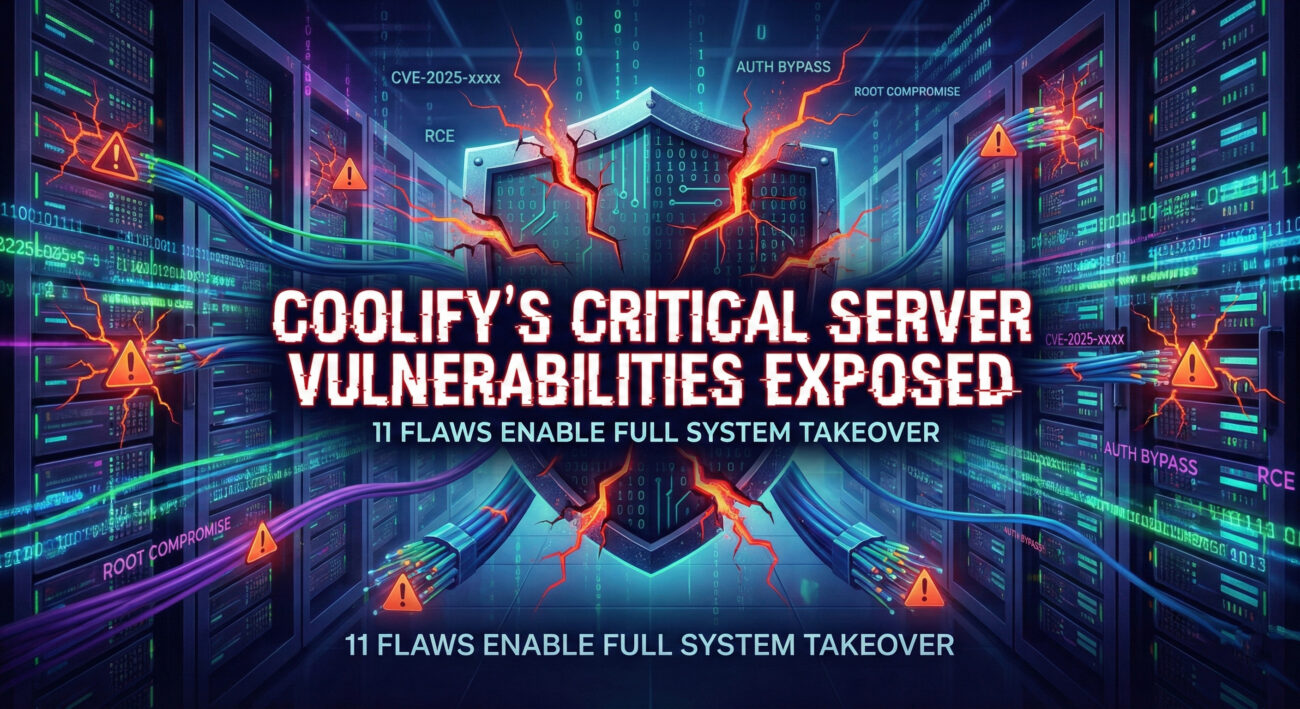
In January 2026, the cybersecurity community was alerted to 11 critical vulnerabilities within Coolify, an immensely popular open-source alternative to Heroku for self-hosting applications. These flaws, if left unpatched, could grant attackers complete control over the hosting platform, leading to data breaches, service disruption, and further lateral movement into connected networks and applications. This analysis is crucial for DevOps engineers, system administrators, and security professionals using or considering Coolify. Understanding these Coolify vulnerabilities is the first step in transforming your infrastructure from a target into a fortress.