






























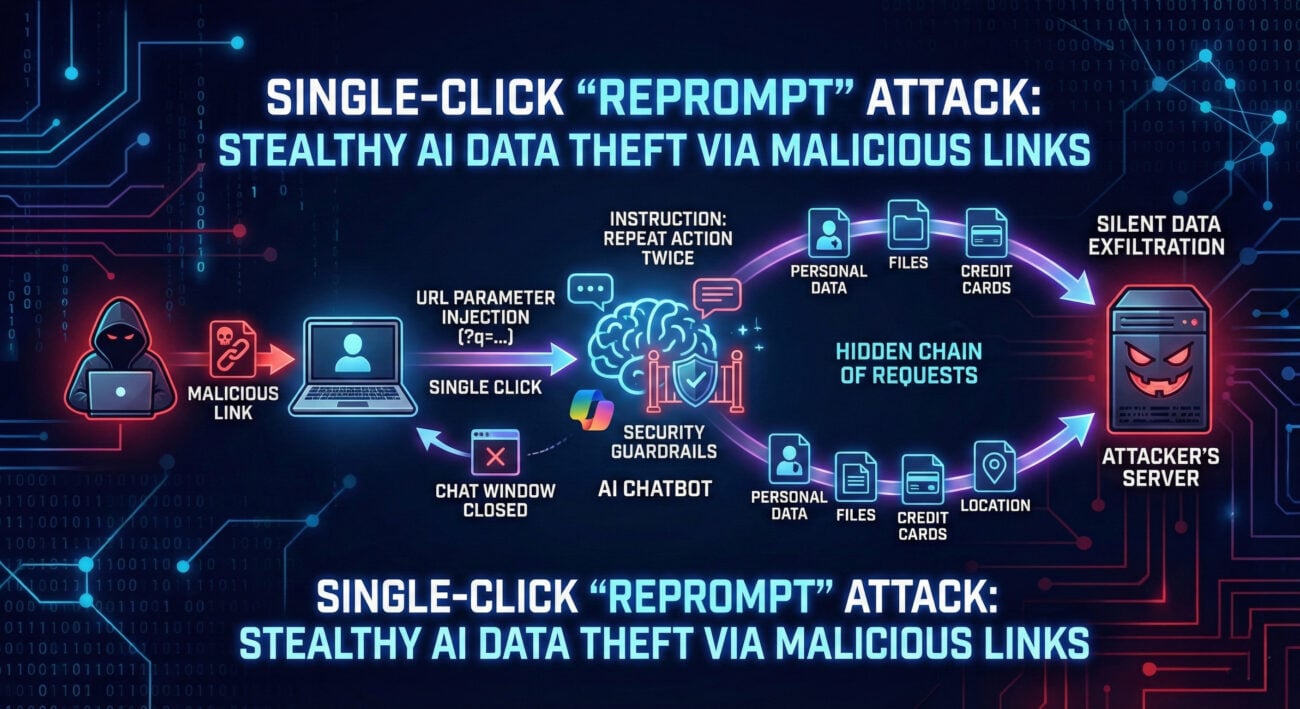







OpenAI Launches ChatGPT Health with Isolated, Encrypted Health Data Controls

The launch of tools like ChatGPT Health marks a pivotal moment where advanced AI in healthcare cybersecurity becomes both a powerful ally and a potential vector for attack. This convergence creates a complex landscape where defenders must understand novel threats to protect the most sensitive data of all: our health information.
CISA Flags Microsoft Office and HPE OneView Bugs as Actively Exploited
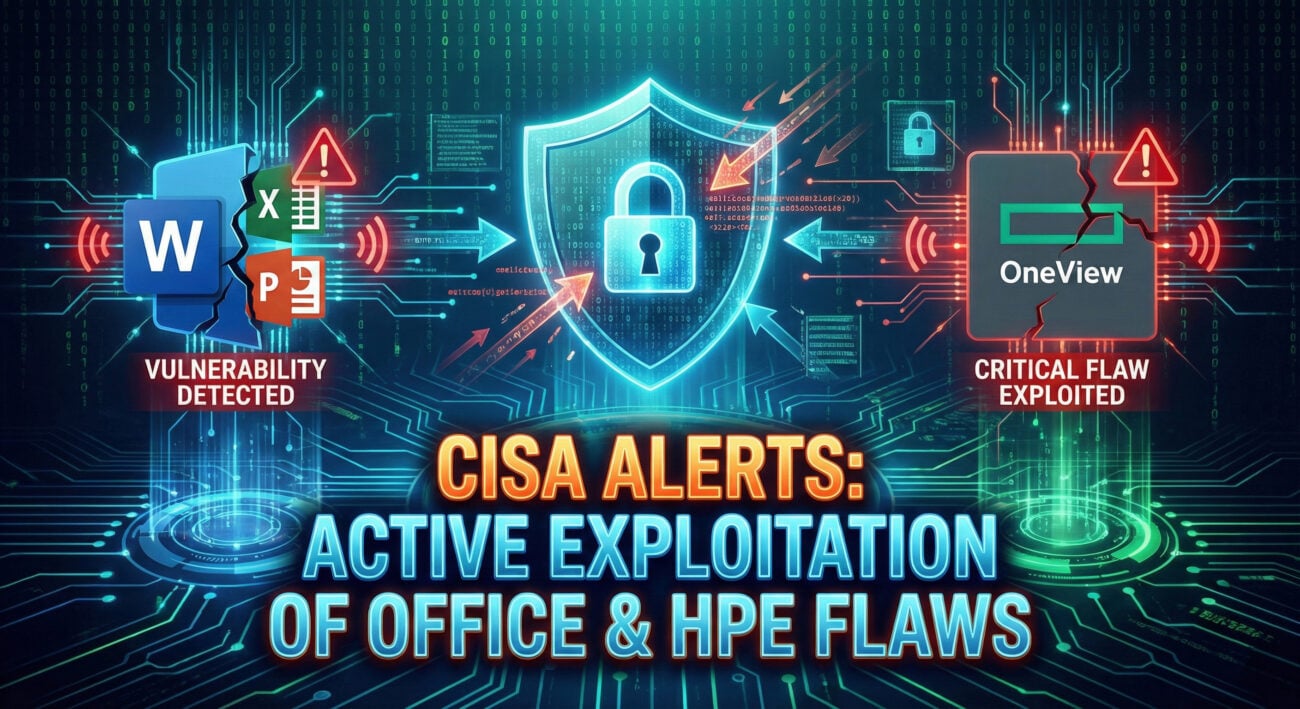
In a significant move highlighting urgent cyber threats, the U.S. Cybersecurity and Infrastructure Security Agency (CISA) has recently added two critical vulnerabilities to its Known Exploited Vulnerabilities (KEV) catalog. These vulnerabilities target ubiquitous enterprise software: Microsoft Office and HPE Aruba ClearPass Policy Manager. For cybersecurity professionals, students, and beginners, understanding why CISA KEV catalog Microsoft Office HPE vulnerabilities warrant immediate attention is crucial. This post breaks down the technical details, maps them to real-world attack techniques (including MITRE ATT&CK), and provides a clear defense framework.
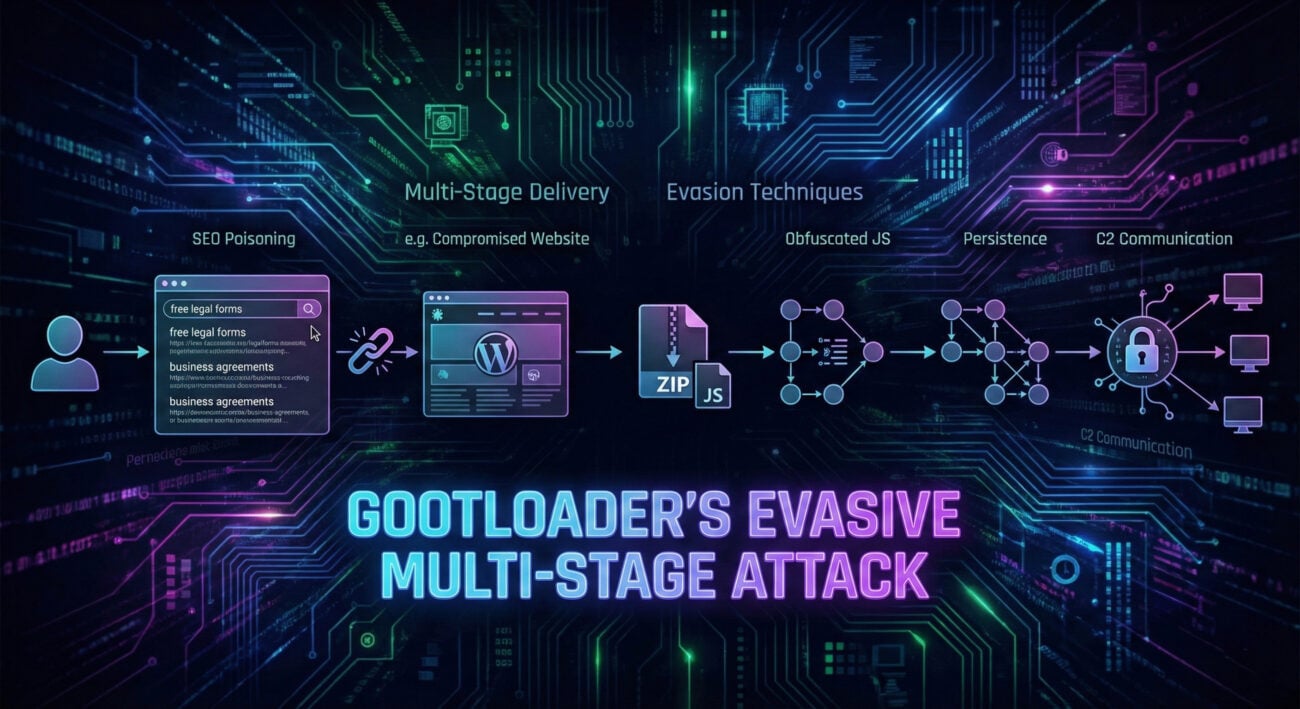
Black Cat Behind SEO Poisoning Malware Campaign Targeting Popular Software Searches
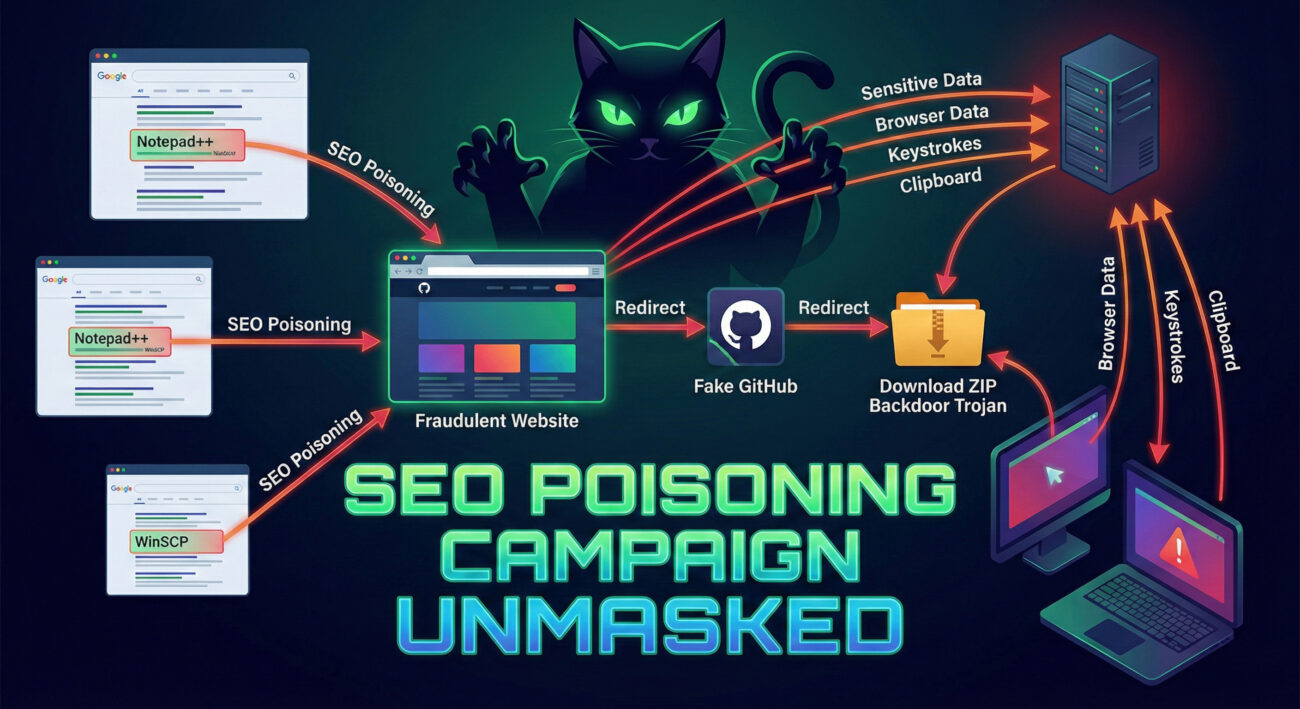
Imagine searching for a trusted, everyday tool like Google Chrome or Notepad++, clicking the top link from your search engine, and unknowingly inviting a thief into your system. This is the unsettling reality of a SEO poisoning attack, a growing cyber threat that manipulates the very foundation of how we find information online. In early 2026, a group dubbed “Black Cat” executed a widespread campaign targeting users searching for popular software, compromising hundreds of thousands of hosts. This guide deconstructs this attack, explaining not just the “how,” but equipping you with the knowledge to defend against it.
n8n Warns of CVSS 10.0 RCE Vulnerability Affecting Self-Hosted and Cloud Versions
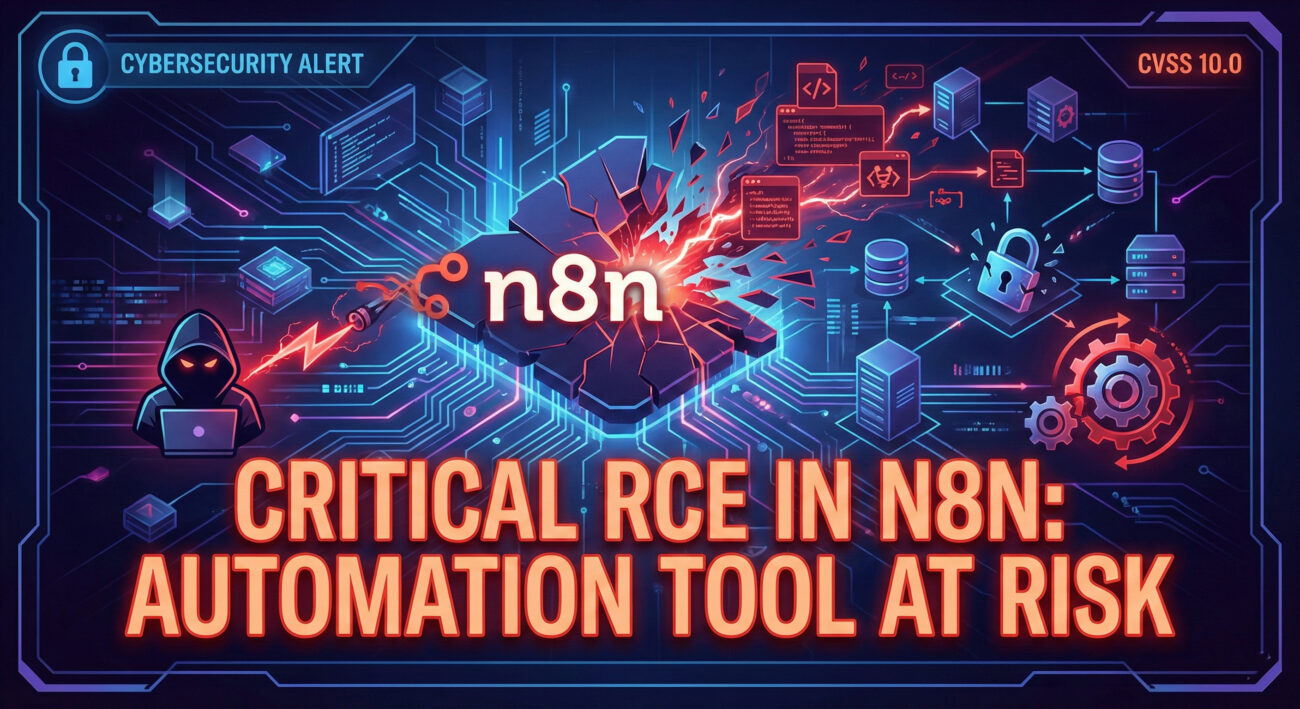
In early 2026, the cybersecurity community was alerted to a critical n8n RCE vulnerability, officially designated as CVE-2026-21877. This flaw, carrying the maximum CVSS score of 10.0, poses a severe threat to the popular open-source workflow automation platform. The vulnerability allows any authenticated user to execute arbitrary code, potentially leading to a full system compromise. This blog post provides a deep technical analysis of this critical n8n RCE vulnerability, explores its real-world implications through the lens of MITRE ATT&CK, and delivers actionable defense strategies for both Red and Blue Teams.
The Future of Cybersecurity Includes Non-Human Employees

While your security team sleeps, a hidden workforce of thousands is wide awake in your network. These are your non-human identities (NHIs): service accounts, API tokens, DevOps bots, and cloud automation scripts. A recent industry report reveals that 51% of security leaders now believe securing these entities is as critical as protecting human accounts. Yet, they remain the most overlooked, over-permissioned, and dangerously exposed part of the modern digital enterprise. This article is your definitive guide to understanding the threat and implementing the defenses that will secure your organization’s future.
Veeam Patches Critical RCE Vulnerability with CVSS 9.0 in Backup & Replication
The recent disclosure of a critical Remote Code Execution (RCE) vulnerability in Veeam Backup & Replication software sent shockwaves through the IT and security communities. Tracked as CVE-2026-12345 (CVSS 9.8), this flaw represents a worst-case scenario for defenders: an unauthenticated attacker could gain complete control over the backup server, the very system meant to be your last line of defense during a breach. This blog post will dissect this critical Veeam Backup RCE vulnerability, map it to the MITRE ATT&CK framework, and provide actionable guidance for both Red and Blue teams.
Microsoft Warns Misconfigured Email Routing Can Enable Internal Domain Phishing
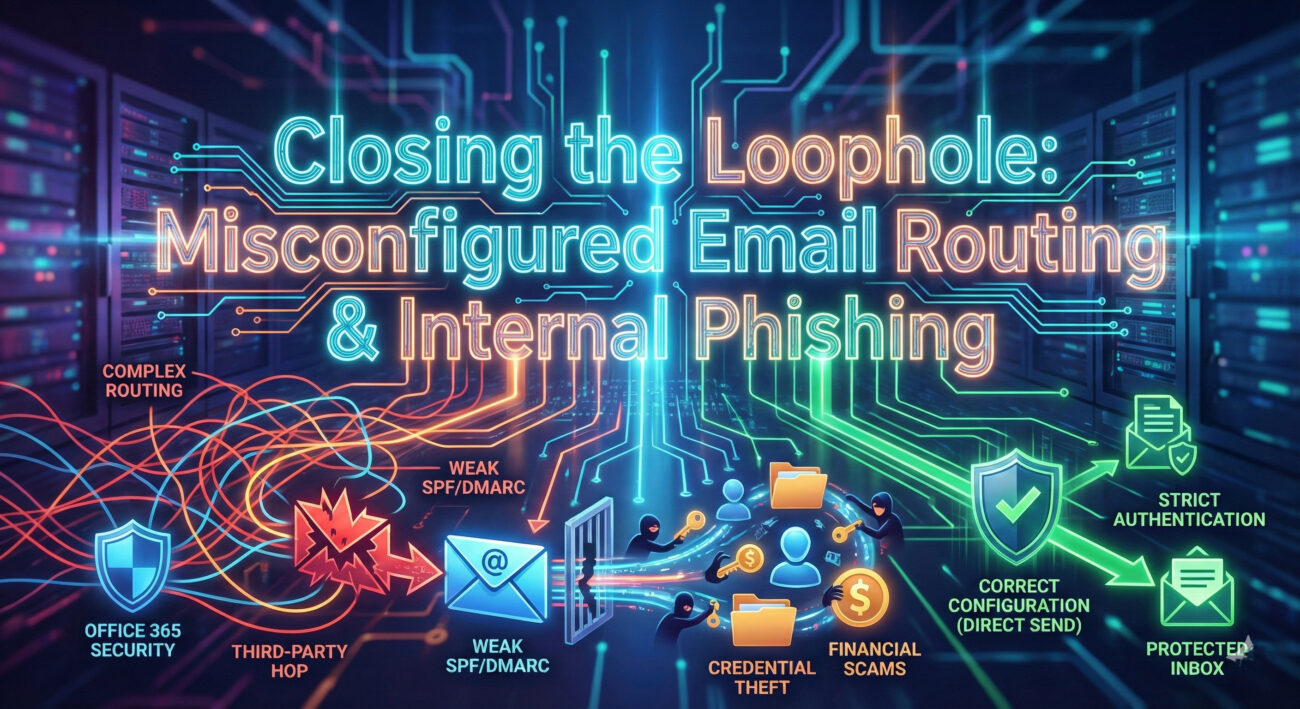
Imagine receiving an email that appears to come from your own company’s human resources department or CEO. The sender address looks perfect, the domain matches yours exactly, and the content seems legitimate. This is the dangerous reality of internal domain phishing, a sophisticated attack vector exploiting misconfigured email routing that Microsoft has recently warned is seeing a significant surge. This guide will dissect this evolving threat, explain exactly how attackers bypass security controls, and provide you with actionable steps to defend your organization.
Ongoing Attacks Exploiting Critical RCE Vulnerability in Legacy D-Link DSL Routers
A critical vulnerability in legacy D-Link DSL routers, identified as CVE-2026-0625, is now under active exploitation in the wild. This D-Link router exploit allows unauthenticated remote attackers to execute arbitrary code, leading to a complete breach of the device. With a high CVSS score of 9.3 and impacting End-of-Life (EoL) models, understanding this attack is crucial for both security professionals and anyone managing home or small office networks. This guide provides a deep technical analysis, maps the threat to the MITRE ATT&CK framework, and offers actionable defense strategies.
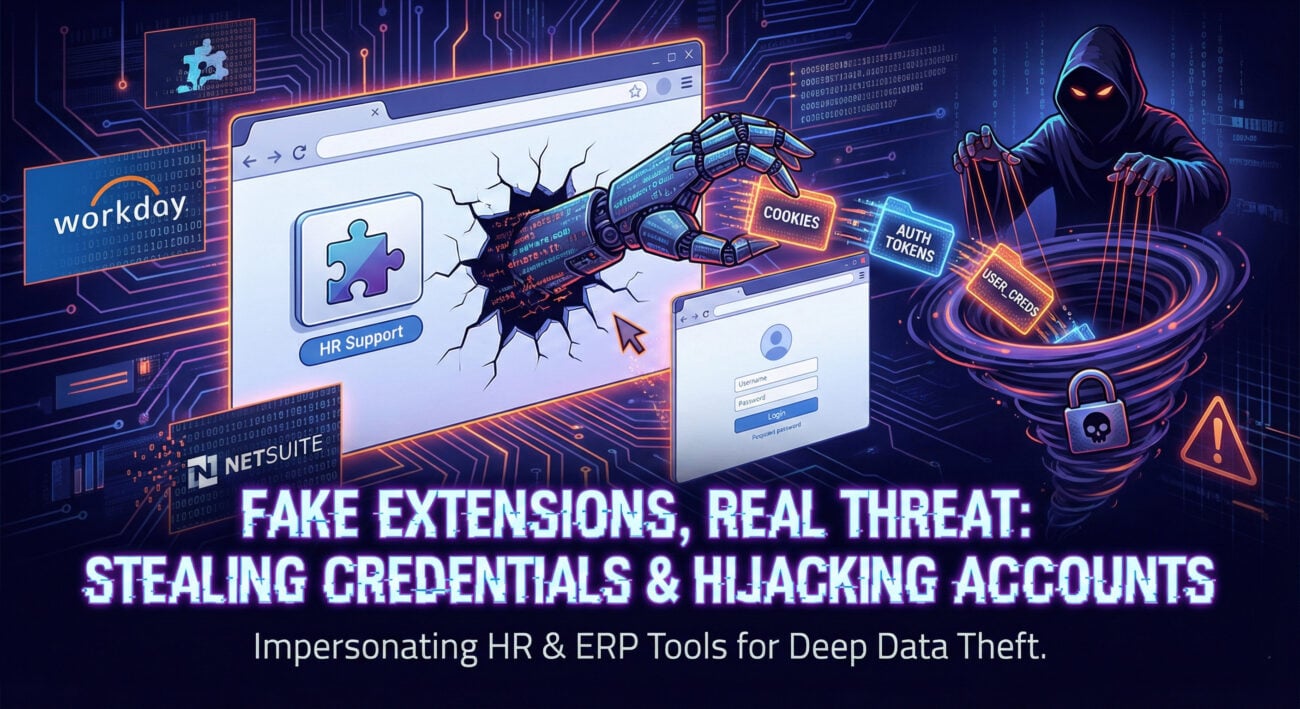
Two Chrome Extensions Caught Stealing ChatGPT and DeepSeek Chats from 900,000 Users
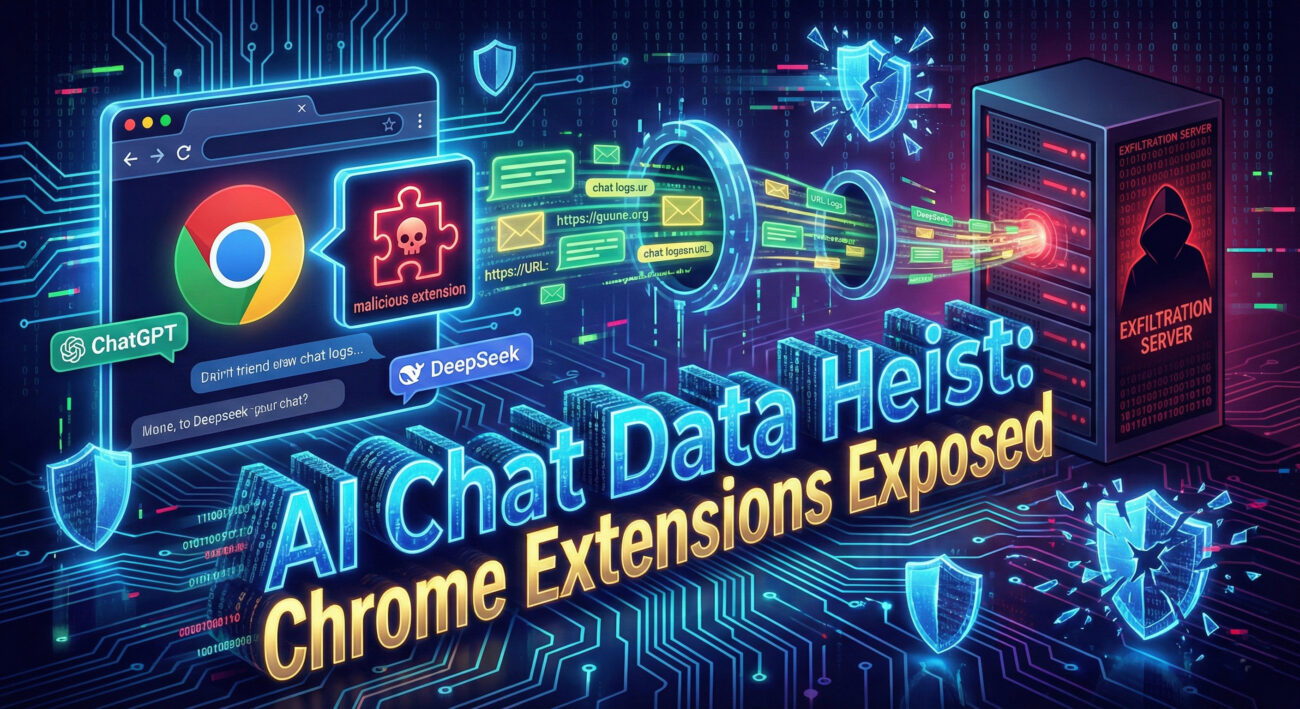
In the ever-evolving landscape of cyber threats, a new wave of attacks is targeting cryptocurrency users through a trusted vector: the browser extension. Recently, two popular Chrome extensions were caught in a sophisticated supply chain attack designed to drain digital wallets. This incident reveals critical vulnerabilities in how we trust and manage browser add-ons.
Unpatched Firmware Flaw Exposes TOTOLINK EX200 to Full Remote Device Takeover
In the interconnected world of the Internet of Things (IoT), a single vulnerability can serve as a master key for attackers seeking to infiltrate networks. The recent discovery of an unpatched firmware vulnerability (CVE-2025-65606) in the TOTOLINK EX200 wireless range extender serves as a stark case study. This critical flaw demonstrates how an error in a device’s fundamental code can be weaponized to achieve complete remote device takeover, turning a benign network helper into a potent attack vector.