






































APT28 Weaponizes Microsoft Office CVE-2026-21509: A Deep Dive into Operation Neusploit

APT28 (Fancy Bear) is exploiting a newly disclosed Microsoft Office vulnerability (CVE-2026-21509) to target government entities in Eastern Europe. This post breaks down the technical attack chain, from malicious RTF files to the deployment of MiniDoor and COVENANT Grunt implants, and provides actionable defense guidance.
Critical OpenClaw Remote Code Execution: One-Click Exploit Puts AI Assistants at Risk

A critical OpenClaw vulnerability (CVE-2026-25253) allows one-click remote code execution via malicious links. This post explains the exploit, its impact, and how to secure your AI assistant.
Chainlit AI Framework Vulnerabilities Expose Data to File Read and SSRF Attacks

A deep dive into the critical “ChainLeak” vulnerabilities within the popular Chainlit AI framework. This analysis covers how attackers can steal API keys, source code, and breach cloud metadata, mapping the flaws to real-world MITRE ATT&CK techniques. Learn defensive strategies to secure your AI applications.
Critical Vulnerabilities in Anthropic’s MCP Git Server Allow File Access and Code Execution
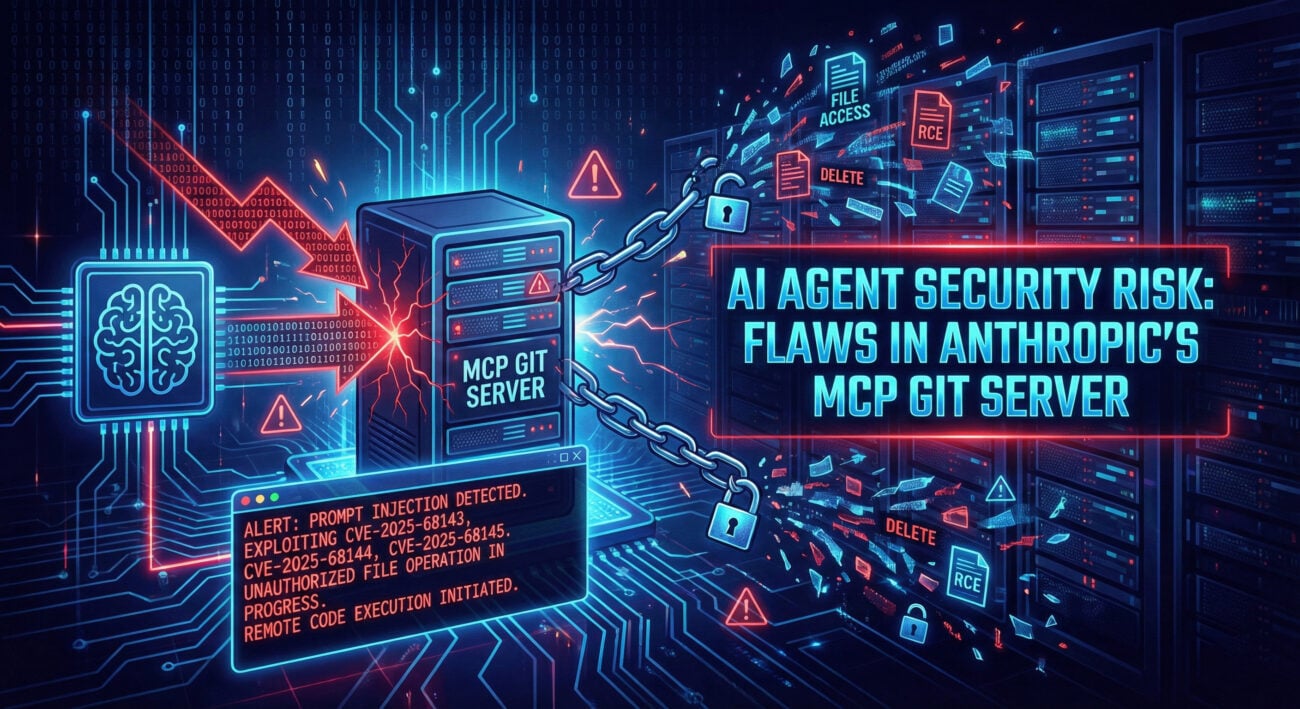
In the rapidly evolving landscape of AI-integrated development, a critical security flaw recently came to light. Researchers discovered not one, but three severe vulnerabilities in Anthropic’s official Git Model Context Protocol (MCP) server. These MCP server vulnerabilities (CVE-2025-68143, CVE-2025-68144, CVE-2025-68145) created a perfect storm, allowing attackers to read sensitive files, delete data, and ultimately execute malicious code on vulnerable systems. This incident serves as a stark warning about the security risks in the AI toolchain and underscores why every developer and security professional must understand the mechanics of such attacks.
China-Linked APT Exploits Cisco Zero-Day, Patched in Email Gateways

In January 2026, Cisco issued an urgent patch for a critical zero-day vulnerability, tracked as CVE-2025-20393, with a maximum CVSS score of 10.0. This flaw in Cisco’s AsyncOS software for Secure Email Gateway and Secure Email and Web Manager appliances was not just theoretical, it was actively exploited in the wild by a China-linked Advanced Persistent Threat (APT) group, codenamed UAT-9686, for at least a month before discovery.
Critical FortiSIEM Vulnerability Patched After Remote Code Execution Discovery

On January 14, 2026, Fortinet issued a critical security bulletin that sent ripples through the cybersecurity community. The vulnerability, CVE-2025-64155, represents a severe OS command injection flaw in FortiSIEM, the company’s widely-used Security Information and Event Management (SIEM) solution. With a near-maximum CVSS score of 9.4, this flaw allows an unauthenticated attacker to execute arbitrary code remotely, potentially leading to a complete compromise of the monitoring system itself. For cybersecurity professionals, students, and beginners, understanding this attack vector is not just academic, it’s a live-fire lesson in how foundational security tools can become single points of failure and how defenders must respond.
Microsoft’s January 2026 Update Patches 114 Windows Vulnerabilities, One Under Active Exploitation
Welcome, cybersecurity professionals and learners. The first Windows Patch Tuesday of 2026 has arrived with monumental significance, addressing a staggering 114 security vulnerabilities across Microsoft’s ecosystem. This isn’t just another update; it’s a critical response to active threats targeting enterprises and individuals worldwide. Within these flaws lie exploits that could lead to total system compromise, data breaches, and ransomware attacks. Understanding this Patch Tuesday release is not optional for anyone responsible for IT security.
ServiceNow Patches Critical AI Platform Flaw Allowing Unauthenticated User Impersonation

In January 2026, ServiceNow disclosed a critical vulnerability in its AI Platform that sent shockwaves through the cybersecurity community. This vulnerability, if exploited, could allow attackers to execute arbitrary code remotely on affected systems, potentially compromising enterprise data and operations. For cybersecurity professionals and beginners alike, understanding this ServiceNow AI Platform vulnerability is crucial for protecting organizational assets in an increasingly AI-integrated world.
CISA Warns of Active Exploitation of Gogs Vulnerability Enabling Code Execution
The U.S. Cybersecurity and Infrastructure Security Agency (CISA) has added a critical Gogs path traversal vulnerability (CVE-2025-8110) to its Known Exploited Vulnerabilities catalog, signaling active attacks against this popular open-source Git service. With a CVSS score of 8.7 and over 1,600 instances exposed online, this flaw represents a severe risk to development infrastructure. This guide provides a comprehensive, beginner-friendly analysis of the vulnerability, its exploitation, and the steps you must take to secure your systems.
n8n Supply Chain Attack Abuses Community Nodes to Steal OAuth Tokens
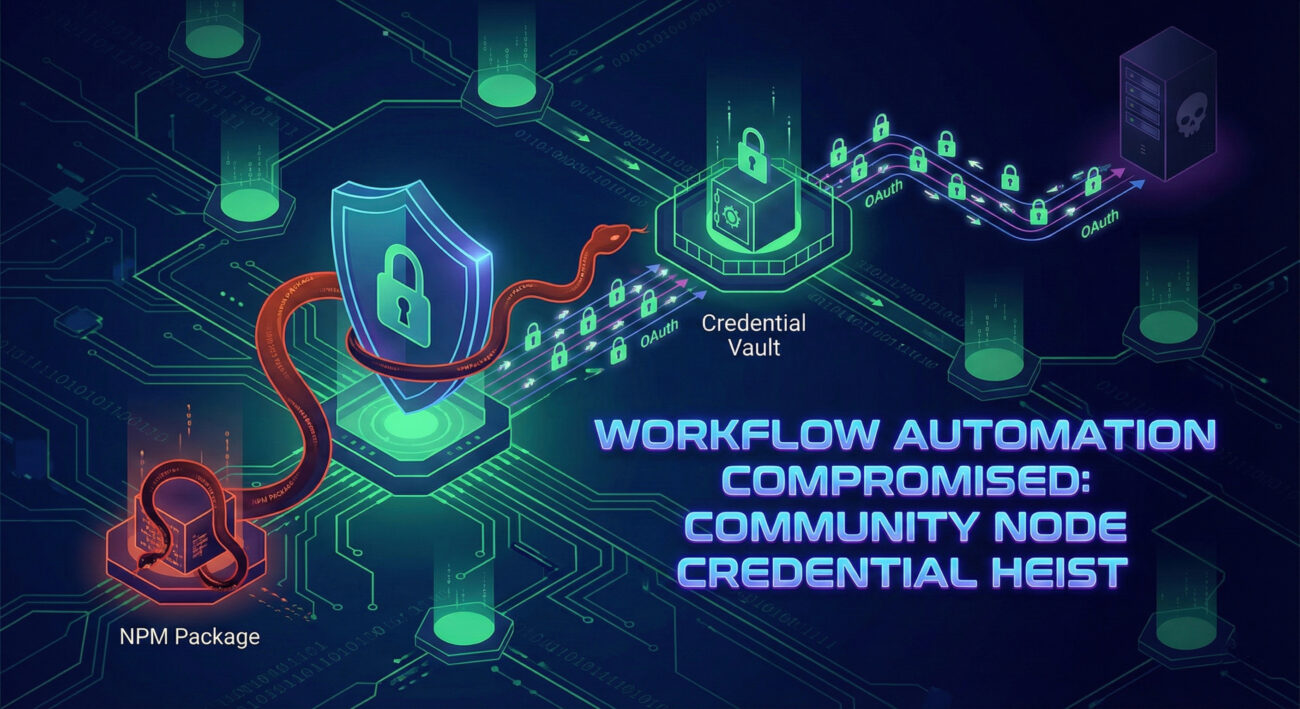
In early 2026, cybersecurity researchers uncovered a sophisticated supply chain attack targeting users of n8n, a popular open-source workflow automation tool. This n8n supply chain attack exemplifies a modern threat actor’s playbook: compromising a trusted component in the development ecosystem to steal sensitive data and cryptocurrency. The attackers published a malicious npm package named @n8n_io/n8n, impersonating the legitimate n8n software, to harvest credentials from developers’ and organizations’ environments.