






































Cloudflare Patches ACME Bug That Permitted WAF Bypass

In January 2026, cybersecurity researchers discovered a critical vulnerability in Cloudflare’s implementation of the ACME (Automated Certificate Management Environment) protocol that could have allowed attackers to obtain valid SSL/TLS certificates for domains they didn’t own. This bug, while promptly patched, revealed fundamental flaws in certificate validation logic that threaten the foundation of web security. The ACME protocol vulnerability highlights how even trusted security providers can inadvertently introduce critical weaknesses into the global internet infrastructure.
Critical WordPress Modularity Plugin Under Active Attack for Full Site Takeover
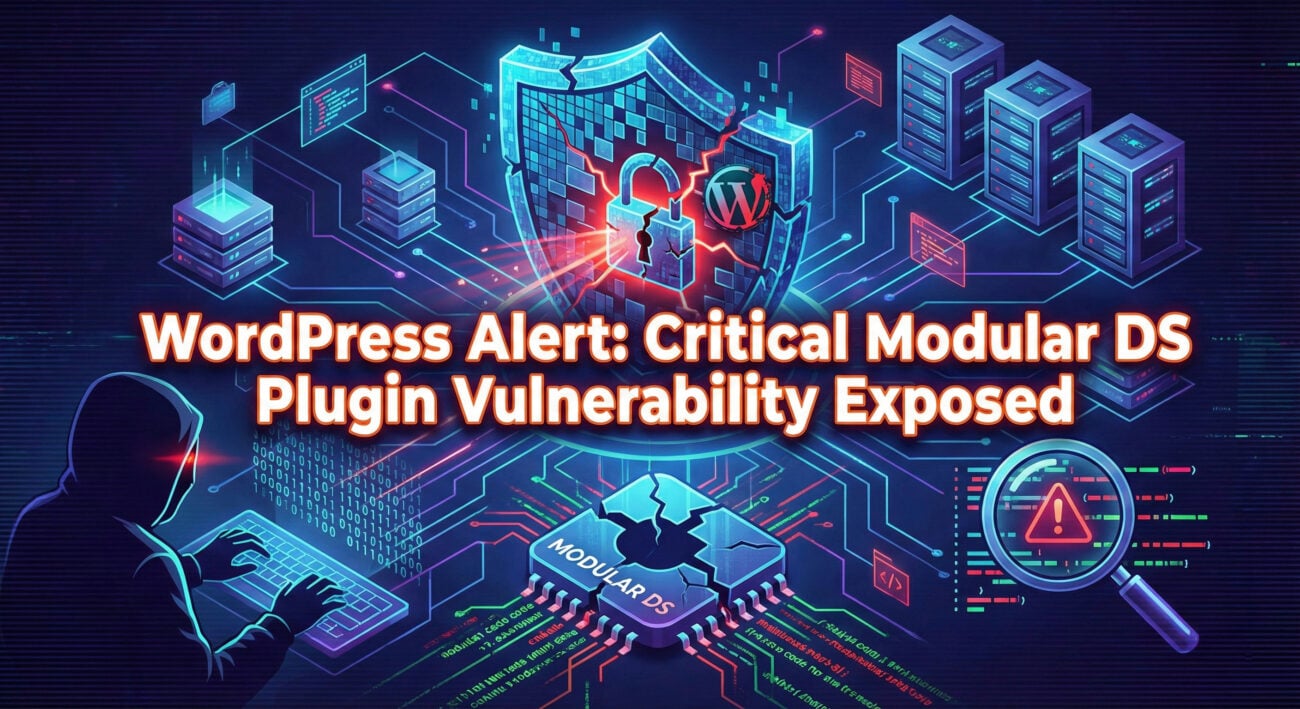
A critical security flaw has been discovered in the popular Modular Data Science Plugin for WordPress, putting over 10,000 websites at immediate risk of a complete takeover. Designated as CVE-2025-53079, this vulnerability carries a maximum CVSS score of 9.8, placing it firmly in the “critical” category. This blog post provides a comprehensive, beginner-friendly analysis of this WordPress plugin vulnerability, explaining exactly how the attack works, its real-world implications, and the definitive steps you must take to secure your site.
Long-Running Web Skimming Campaign Steals Credit Cards From Online Checkout Pages
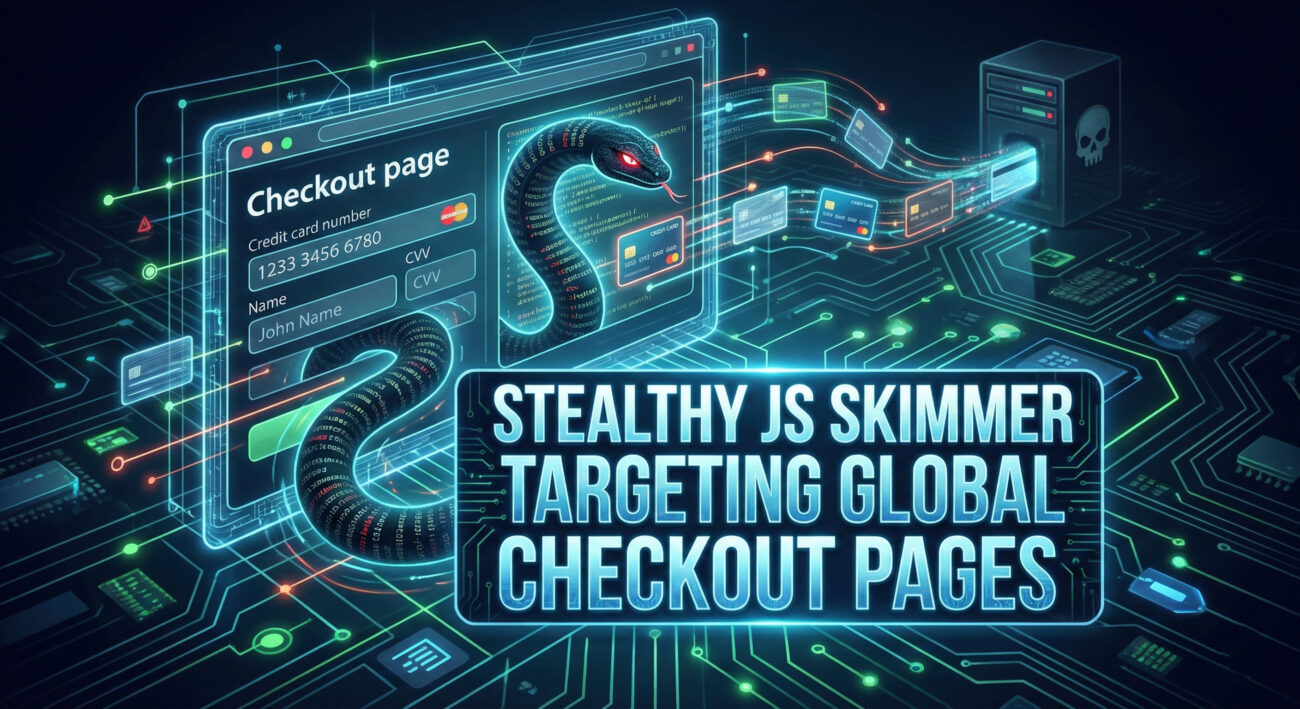
Imagine a digital pickpocket operating invisibly on legitimate shopping websites, stealing credit card details right as customers click “pay now.” This isn’t a hypothetical scenario, it’s the reality of a sophisticated, long-running web skimming campaign that has been actively compromising major payment networks since 2022. For cybersecurity professionals, students, and anyone responsible for an online storefront, understanding this threat is no longer optional; it’s critical for digital survival.
Malicious Chrome Extension Steals MEXC API Keys by Masquerading as Trading Tool

Imagine installing a simple tool to help with your crypto trading, only to find it’s a digital pickpocket that silently empties your wallet. This is the reality of a sophisticated attack recently uncovered by cybersecurity researchers. A malicious Chrome extension, masquerading as a helpful trading automator for the MEXC exchange, was caught programmatically stealing users’ API keys with full withdrawal permissions. This incident is a masterclass in supply-chain attack vectors and highlights critical flaws in how we trust browser ecosystems. For cybersecurity professionals and crypto enthusiasts alike, understanding this threat is the first step in building effective defenses.