









Certification Courses
Hands-On Labs
Threat Intelligence
Latest Cyber News
MITRE ATT&CK Breakdown
All Cyber Keywords
Have you ever wondered where hackers really talk, trade secrets, and plan their next move? It's not in a smoky backroom or a dark alley, it's on the hidden digital streets known as underground forums. If you're new to cybersecurity, understanding this secret layer of the internet is your first step to becoming truly protected online.
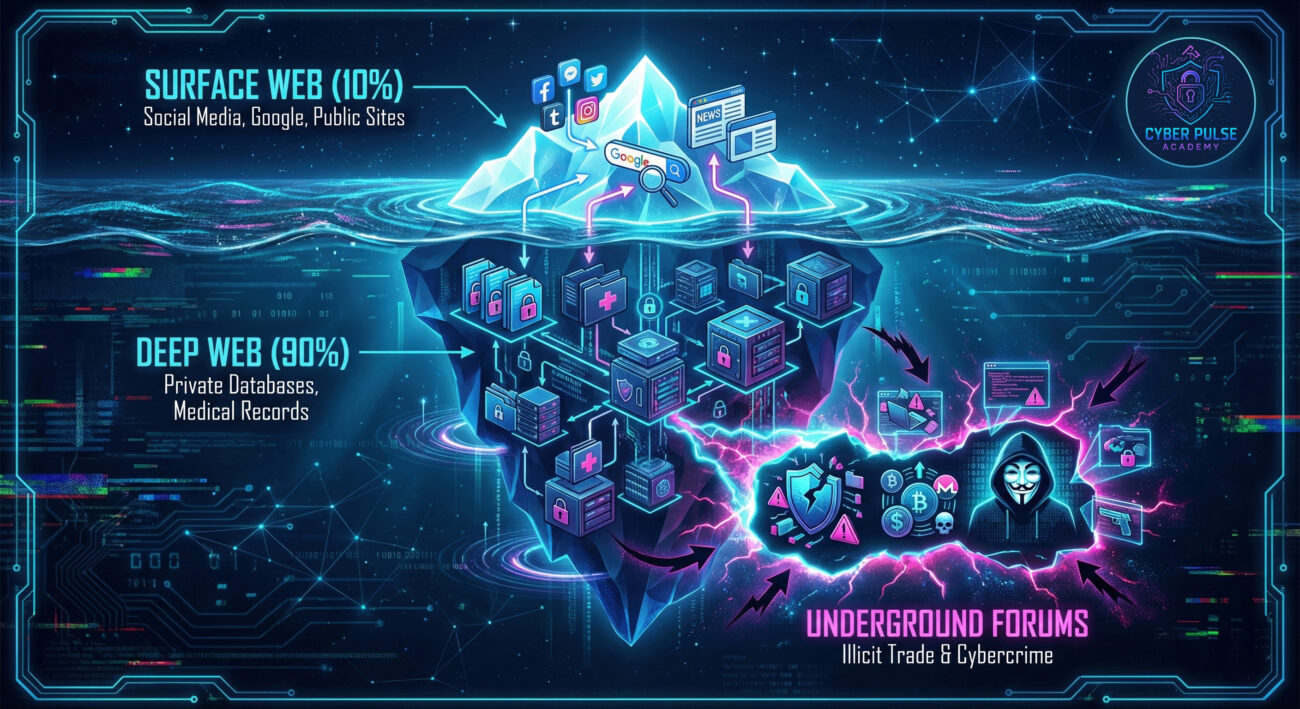
Think of the internet like an iceberg. The part you see, social media, news sites, online stores, is just the tip. Beneath the surface lies the "deep web," and within it, a hidden network of underground forums. These are secret, often illegal online marketplaces and communities where cybercriminals operate. For a beginner, ignoring their existence is like leaving your front door unlocked in a busy neighborhood.
In this guide, you'll learn: what these forums really are, how they fuel the global cybercrime economy, a real story of how they cause harm, and actionable steps you can take right now to shield yourself from the threats they create.
An underground forum is a restricted-access website, often on the dark web, where cybercriminals gather to buy, sell, and exchange illegal goods, services, and information. It's a breeding ground for cyber threats that can impact anyone.
Imagine a giant, unregulated flea market that only certain people know how to find. Instead of selling old furniture, vendors are selling stolen credit card numbers, pre-built malware kits, and access to hacked company networks. That's the essence of an underground forum.
| Term | Simple Definition | Everyday Analogy |
|---|---|---|
| Dark Web | A part of the internet that requires special software (like Tor) to access and is not indexed by search engines. It's where many underground forums are hosted. | A network of private, hidden tunnels beneath a public city. You need a specific map and key to enter. |
| Credentials Dump | A large collection of stolen usernames and passwords leaked or sold online after a data breach. | A master keyring holding copies of thousands of people's house keys, stolen from a locksmith's shop. |
| Exploit Kit | A pre-packaged software tool that automates the exploitation of vulnerabilities in systems or software. Sold as a product to less-skilled criminals. | A burglary toolkit sold with lock picks, crowbars, and blueprints, allowing anyone to become a thief. |
| Multi-Factor Authentication (MFA) | A security method that requires two or more proofs of identity to log in (e.g., password + a code from your phone). | Needing both a key and a fingerprint scan to open your front door. Even if someone has your key, they can't get in. |
| Ransomware-as-a-Service (RaaS) | A business model on underground forums where developers rent out ransomware software to "affiliates" who carry out attacks, sharing the profits. | A criminal franchise. The franchisor provides the brand and tools (the ransomware), and the franchisee does the dirty work (the attack) for a cut of the profits. |
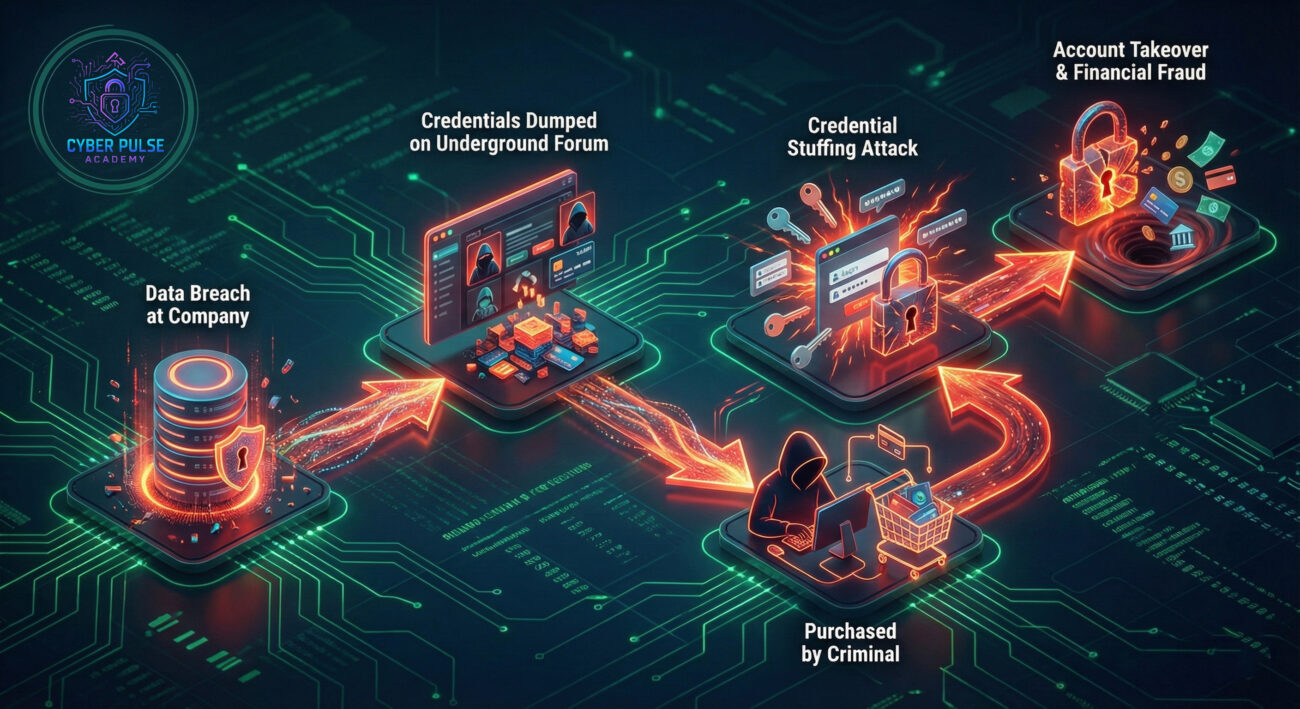
Sarah, a graphic designer, used the same password for her old email, a shopping site, and her PayPal. One day, that shopping site suffered a massive data breach. The stolen user data, including Sarah's email and password, was quickly dumped on an underground forum.
A criminal, let's call him "Viper," purchased this data dump. Using automated tools, he tried Sarah's email and password combination on dozens of popular sites, a technique called "credential stuffing." It worked on her PayPal. Viper drained her account and used her saved credit card to buy high-value electronics, which he then resold. Sarah only found out when her card was declined at the grocery store.
| Time / Stage | What Happened | Impact |
|---|---|---|
| Month 1: The Breach | A retail website Sarah used was hacked. Her login credentials were stolen. | Minor: Sarah was unaware. Her data was now a commodity in a hidden market. |
| Week 2: The Sale | The stolen data was packaged with millions of other records and sold on an underground forum for cryptocurrency. | High: Criminals like Viper now had the keys to potentially thousands of accounts for just a few dollars. |
| Day 3: The Attack | Viper used credential stuffing tools. Sarah's reused password gave him access to her PayPal. | Critical: Immediate financial loss, fraudulent transactions, and a major personal hassle. |
| Day 4: The Aftermath | Sarah discovered the fraud, filed reports, and began the lengthy process of account recovery. | Lasting: Loss of funds, hours of stress, and a hit to her credit score. A preventable disaster. |
Let's peek into the mindset of both attacker and defender to understand the role of underground forums.
The Simple Attack Path: An attacker doesn't need to be a genius. They can go to an underground forum, buy a list of 10 million email/password pairs from a recent breach for $50. They then use automated software to test these credentials against PayPal, Amazon, and bank login pages. Any hits grant instant access. The path is: Purchase → Automate → Profit.
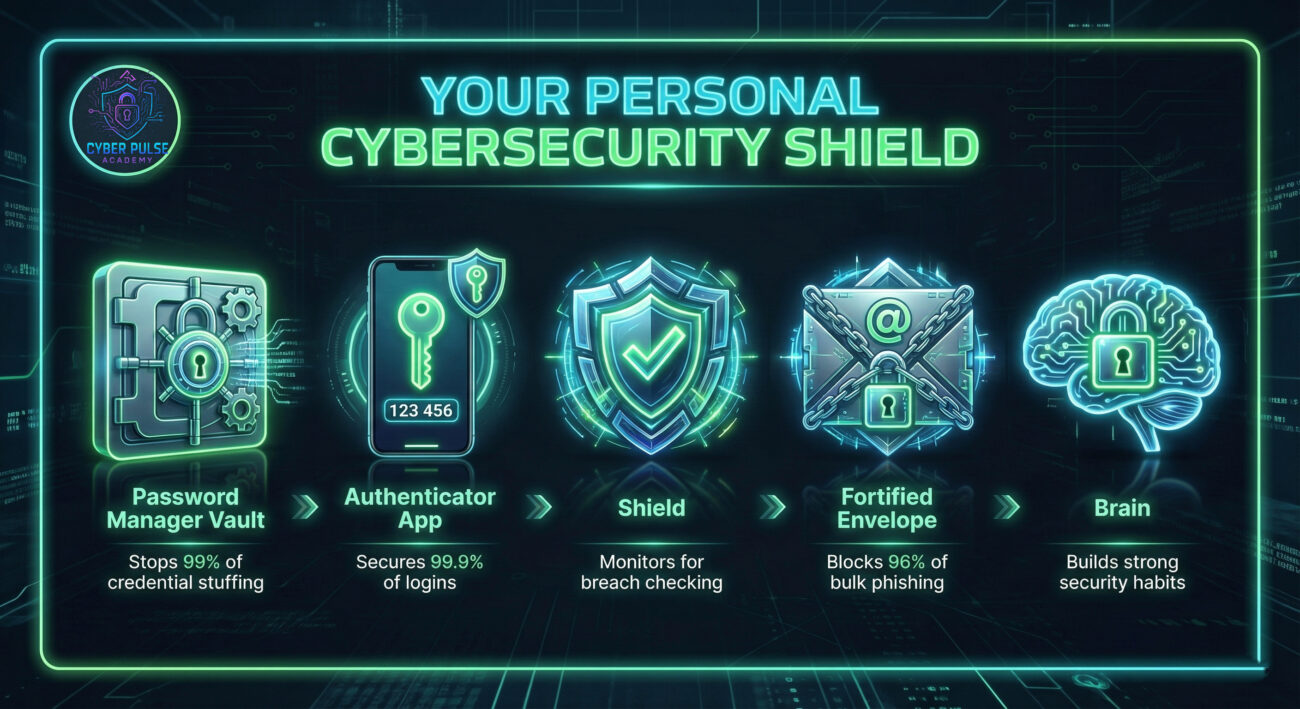
The Defender’s Counter-Move: A security professional knows this is happening. Their defense isn't about stopping the sale on the forum (they can't). It's about neutralizing the value of the stolen data. By enforcing MFA, the stolen password becomes useless on its own. By monitoring for credential stuffing attempts from strange locations, they can block the automated login attempts before they succeed. The mindset is: "Assume my data is already out there. How do I make it worthless to the buyer?"
An underground forum is a one-stop shop, an arsenal, and a business network. It's where they go for tools, talent, and intelligence. They care about efficiency and ROI. Why spend months developing a new hacking tool when you can rent one for a cut of the profits (RaaS)? Why guess passwords when you can buy a verified list for pennies? The forum lowers the barrier to entry, enabling less skilled "script kiddies" to cause major damage. For them, it's about minimizing effort and maximizing financial gain.
For defenders, underground forums are an intelligence goldmine and a constant source of threat indicators. By monitoring these spaces (where legal), they can discover new malware strains, learn about zero-day vulnerabilities, and even find their own company's data for sale. This allows them to patch systems, update detection rules, and warn users before a widespread attack hits. Their focus is on proactive defense, damage limitation, and building resilience against the commoditized threats flowing from these markets.
Understanding underground forums isn't about learning to access them, it's about understanding the cybercrime supply chain that threatens your digital life. By recognizing that your data has a price tag in these hidden markets, you can take empowered steps to devalue it.
You don't need to be a cybersecurity expert to build a formidable defense. By implementing the steps in this guide, you move from being a potential victim on an underground forum list to being a secured, resilient user of the digital world.
Ready to take action? Start today: Download a password manager, enable MFA on your email, and check Have I Been Pwned. Every expert was once a beginner who decided to start.
Have questions about underground forums or these security steps? Drop a comment below! Let's build a safer digital community together.
Every contribution moves us closer to our goal: making world-class cybersecurity education accessible to ALL.
Choose the amount of donation by yourself.