






























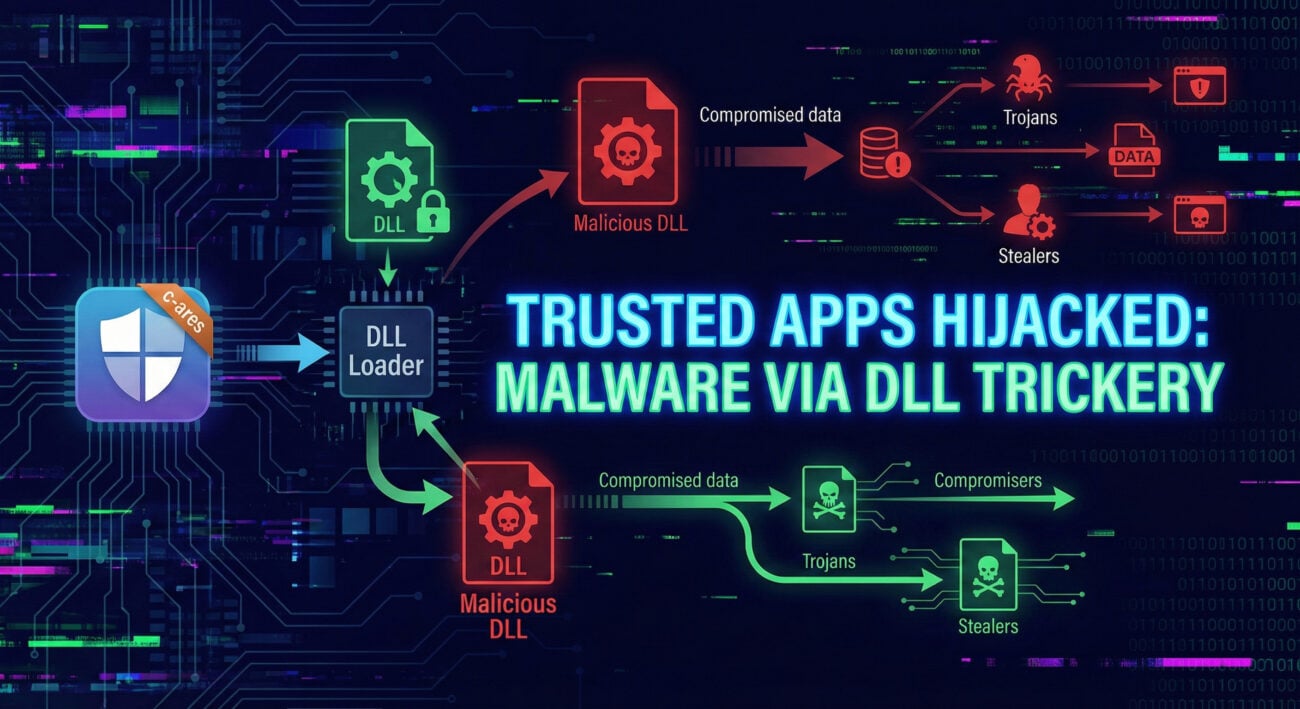

Your Online Traces Can Reveal Your Home Address

Every click, every post, every account you create leaves a trace. This digital footprint is more than just a virtual shadow; it’s a goldmine for cybercriminals. In what’s known as a digital footprint attack, hackers systematically scour the internet for these traces to build a profile, identify vulnerabilities, and launch targeted attacks against individuals and organizations.
LOTUSLITE Backdoor Targets U.S. Policy Groups with Venezuela-Themed Phishing

In the shadowy world of cyber espionage, a new and sophisticated tool has emerged, specifically targeting a sensitive sector: U.S. foreign policy research organizations, or “think tanks.” Dubbed the LotusLite backdoor, this malware represents a significant threat due to its stealth, persistence, and targeted nature. This blog post will dissect this threat, explain its inner workings in beginner-friendly terms, and provide a concrete defense blueprint for cybersecurity professionals and students alike.
China-Linked APT Breaches Critical Infrastructure via Sitecore Zero-Day

In early 2026, cybersecurity researchers uncovered a sophisticated attack campaign where a China-linked Advanced Persistent Threat (APT) group, tracked as UNC4034, successfully exploited a previously unknown zero-day vulnerability in the Sitecore Experience Platform (XP). This critical vulnerability (CVE-2026-XXXXX) allowed the threat actors to gain initial access to target networks and deploy a stealthy backdoor called WEBC2. The campaign primarily focused on organizations in Australia and Southeast Asia, aiming for espionage and long-term access.
China-Linked APT Exploits Cisco Zero-Day, Patched in Email Gateways

In January 2026, Cisco issued an urgent patch for a critical zero-day vulnerability, tracked as CVE-2025-20393, with a maximum CVSS score of 10.0. This flaw in Cisco’s AsyncOS software for Secure Email Gateway and Secure Email and Web Manager appliances was not just theoretical, it was actively exploited in the wild by a China-linked Advanced Persistent Threat (APT) group, codenamed UAT-9686, for at least a month before discovery.
AWS CodeBuild Misconfiguration Could Have Led to GitHub Supply Chain Attacks

In the high-speed world of DevOps, the AWS CodeBuild service is a cornerstone for continuous integration and delivery (CI/CD). However, a pervasive and often overlooked misconfiguration can transform this powerful tool into a critical vulnerability, silently exposing sensitive credentials like AWS IAM keys, API tokens, and SSH keys to the public internet. This isn’t a theoretical flaw; it’s a real-world attack vector actively exploited by threat actors scanning for improperly secured build logs.
Critical WordPress Modularity Plugin Under Active Attack for Full Site Takeover

A critical security flaw has been discovered in the popular Modular Data Science Plugin for WordPress, putting over 10,000 websites at immediate risk of a complete takeover. Designated as CVE-2025-53079, this vulnerability carries a maximum CVSS score of 9.8, placing it firmly in the “critical” category. This blog post provides a comprehensive, beginner-friendly analysis of this WordPress plugin vulnerability, explaining exactly how the attack works, its real-world implications, and the definitive steps you must take to secure your site.
Reprompt Attack Enables Single-Click Data Theft from Microsoft Copilot
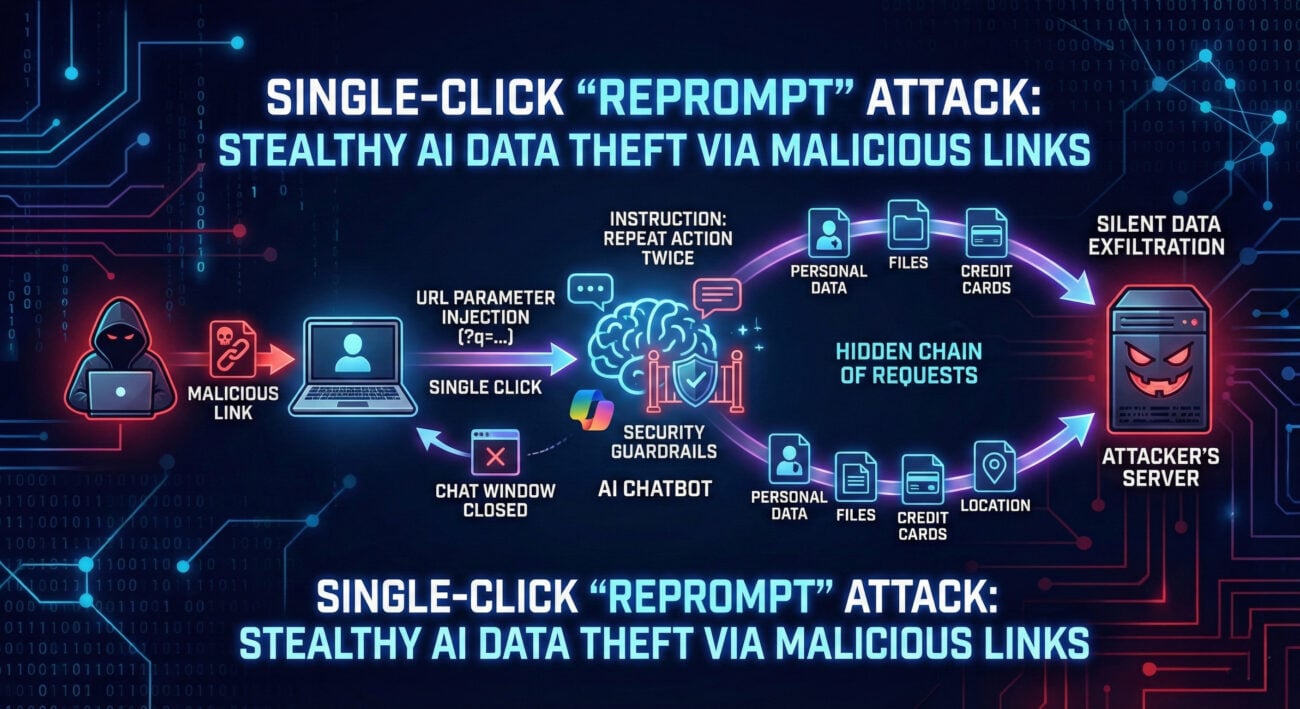
In the rapidly evolving landscape of artificial intelligence and large language models (LLMs), a new and insidious threat has emerged from the shadows of cybersecurity research. Dubbed the Reprompt Attack, this sophisticated jailbreak technique doesn’t rely on noisy, single-shot prompt injections. Instead, it operates with surgical precision, exploiting the very memory and context-retention features that make modern AI assistants so useful. This attack represents a fundamental shift in how we must approach AI security, moving from perimeter defense to guarding the integrity of an ongoing conversation.
Workflow Security, Not Model Security, Is the Critical Risk
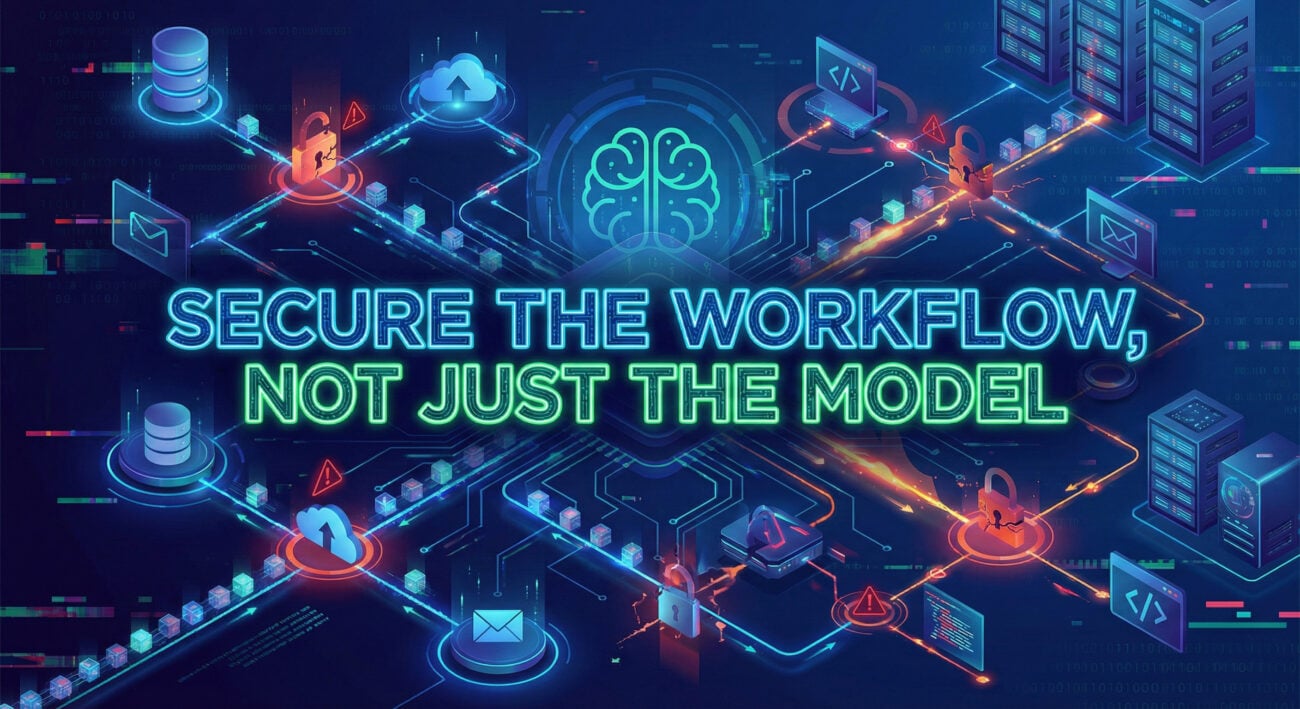
The cybersecurity conversation around Artificial Intelligence (AI) is dangerously myopic. While headlines obsess over adversarial attacks directly against models, like tricking a classifier with a subtly modified image, this “model security” frame misses the forest for the trees. The most critical and likely risks to AI systems lie not in sophisticated algorithmic bypasses, but in the foundational elements that feed and host them: the data and the infrastructure.
Four Obsolete SOC Practices Increasing MTTR in 2026

In the relentless arms race of cybersecurity, your Security Operations Center (SOC) is the frontline command. Yet, many SOCs are fighting today’s advanced persistent threats with yesterday’s playbooks, trapped by outdated SOC habits that create exhaustion, not excellence. This post deconstructs the four most corrosive legacy practices, from SIEM misuse to manual response, and provides a clear, actionable roadmap for SOC modernization. We’ll map these habits to specific MITRE ATT&CK techniques they fail to catch, and detail how modernizing your approach is the only way to build a proactive, resilient defense.
Microsoft Takedown Dismantles RedVDS Criminal Network for Online Fraud

In January 2026, cybersecurity defense entered a new era. Microsoft didn’t just patch a vulnerability or block IP addresses, they went to court. This landmark action against the RedVeds phishing campaign represents a powerful shift in how corporations can legally dismantle cybercriminal infrastructure from the ground up.