

















🎯 APT41 Operation Simulation
🕵️ Espionage
State-sponsored intelligence gathering
💰 Financial Crime
Profit-driven cyberattacks
⚡ Why APT41 Matters
🔄 Dual-Purpose Operations
APT41 is unique among threat groups because it combines state-sponsored espionage with financially motivated cybercrime. They conduct intelligence gathering for the Chinese government while simultaneously profiting from illegal activities.
🎯 Diverse Target Portfolio
They target healthcare, gaming, telecom, and policy institutions. From video game companies to government agencies, no sector is safe from their sophisticated attacks.
🔗 Supply Chain Mastery
APT41 excels at supply chain attacks, compromising software vendors to infect thousands of downstream customers with a single breach.
📅 Recent 2025 Campaigns
Active campaigns targeting U.S. trade officials and Taiwan research institutes. They continue to evolve and remain a significant threat to global security.
Official Resources: Learn more from CISA - China Cyber Actors and MITRE ATT&CK - APT41
📚 Key Terms & Concepts
🔍 Simple Definition
APT41 is a Chinese state-sponsored hacking group that performs two types of operations: government-directed espionage (spying) and independent financial crime (stealing money). Think of them as hackers with a "day job" working for the government and a "night job" running criminal schemes.
🎭 Everyday Analogy: The Double Agent Shopkeeper
Imagine a shopkeeper who appears to run a legitimate business during the day, serving customers honestly. But at night, the same shopkeeper uses their store's back entrance to conduct illegal smuggling operations. That's APT41: government spies by day, cyber criminals by night. They use the same tools, skills, and infrastructure for both purposes.
⚔️ The Dual Nature Explained
Espionage Side: Stealing intellectual property, government secrets, and strategic intelligence for Chinese state interests.
Financial Side: Video game currency theft, ransomware deployment, and cryptocurrency heists for personal profit.
🛠️ Key Techniques
Supply Chain Attacks: Infecting software before it reaches users. Custom Malware: Creating unique tools like Cobalt Strike variants. Cloud C2: Using legitimate cloud services for command and control.
📖 Real-World Scenario: The Supply Chain Attack
Dr. Sarah Chen is a senior researcher at the Pacific Biomedical Research Institute in Taiwan. Her team develops cutting-edge medical imaging technology. She has no idea that a software update she's about to install will compromise her entire organization.
BEFORE: Normal Operations
Dr. Chen's IT department regularly updates their medical imaging software from a trusted vendor, MedTech Solutions. The vendor is reputable, with thousands of healthcare clients worldwide. Everything appears secure and normal.
DURING: The Compromise
What Dr. Chen doesn't know: APT41 breached MedTech Solutions three months earlier. They inserted a backdoor into the software update package. When Dr. Chen's team installed the update, a hidden malware called Cobalt Strike Beacon was silently deployed. It connected to a command server disguised as a legitimate Microsoft Azure cloud service.
DURING: Data Exfiltration
Over the next six months, APT41 slowly extracted research data, patient information, and proprietary algorithms. The malware used encrypted connections that looked like normal HTTPS traffic. No alarms were triggered because the activity appeared to come from a trusted software vendor.
AFTER: Discovery & Impact
The breach was discovered when a security researcher noticed unusual DNS queries in network logs. By then, years of research data had been stolen. The institute faced regulatory fines, reputation damage, and the loss of competitive advantage. Dr. Chen's team had to rebuild trust with partners and patients.
🛡️ Protection Guide: Defending Against APT41
Verify Software Supply Chain Integrity
- Only download software from official vendor websites
- Verify digital signatures on all software packages before installation
- Monitor supply chain security advisories for your vendors
Implement Network Segmentation
- Separate critical systems from general network access
- Use firewall rules to limit lateral movement opportunities
- Monitor cross-segment traffic for anomalies
Deploy Advanced Endpoint Detection
- Use EDR (Endpoint Detection and Response) solutions
- Enable behavioral analysis to catch custom malware
- Regularly update detection signatures and rules
Monitor Cloud Service Connections
- APT41 uses legitimate cloud services for command and control
- Implement cloud access security brokers (CASB)
- Alert on unusual cloud API calls or data transfers
Enable Comprehensive Logging
- Collect DNS queries, PowerShell execution, and process creation logs
- Retain logs for at least 90 days for forensic analysis
- Use SIEM solutions to correlate security events
Conduct Regular Security Assessments
- Perform penetration testing simulating APT41 TTPs
- Run tabletop exercises for supply chain compromise scenarios
- Validate incident response procedures quarterly
Train Employees on Threat Awareness
- Educate staff about APT41's social engineering tactics
- Teach recognition of software update phishing attempts
- Encourage reporting of suspicious system behavior
⚖️ Common Mistakes & Best Practices
❌ Common Mistakes
- Trusting software updates blindly without verifying signatures or hashes
- Ignoring slow, low-volume data exfiltration as "normal traffic"
- Relying solely on antivirus without behavioral detection
- Assuming cloud services (Azure, AWS) are always safe destinations
- Not monitoring legitimate admin tools like PowerShell for abuse
✓ Best Practices
- Implement zero-trust architecture for all network access
- Use threat intelligence feeds specific to Chinese APT groups
- Deploy deception technology (honeypots) to detect early intrusion
- Establish software bill of materials (SBOM) for all applications
- Create an incident response plan specific to supply chain attacks
🔴 Red Team vs Blue Team View
Red Team: How APT41 Operates
- Initial Access: Supply chain compromise, exploiting public-facing applications, spear-phishing
- Custom Malware: KEYTERM, BEACON, HIGHNOON, DATASHIFT variants
- Cloud C2: Uses legitimate services like GitHub, Azure, Google Drive for command infrastructure
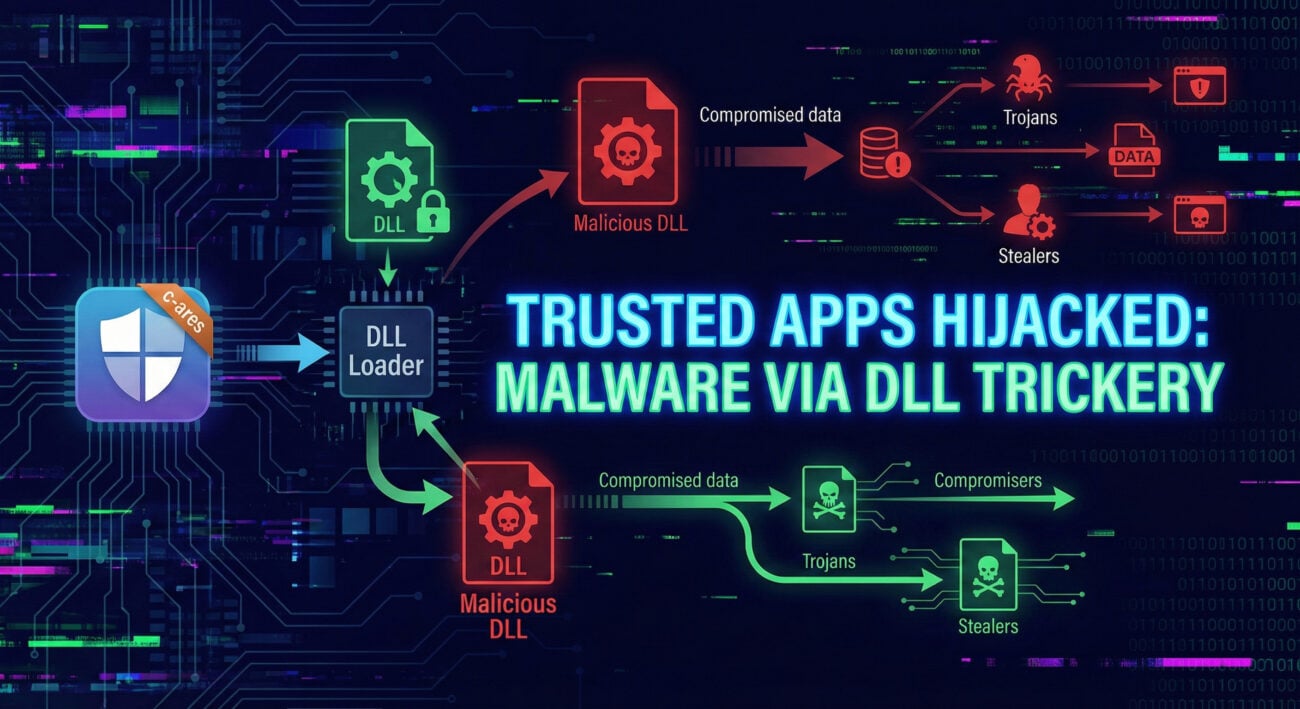
- Persistence: DLL side-loading, scheduled tasks, registry run keys
- Exfiltration: Encrypted channels over HTTPS, cloud storage uploads
- Financial Ops: Video game currency theft, ransomware, cryptocurrency mining
Blue Team: Detection & Defense
- Detection: Monitor for unusual DLL loads, scheduled task creation, and PowerShell execution
- Network Analysis: Inspect HTTPS traffic for beacon patterns, monitor DNS for C2 domains
- Access Control: Implement least privilege, MFA, and privileged access management
- Logging: Enable command-line logging, process tracking, and file integrity monitoring
- Threat Hunting: Search for indicators like unusual scheduled tasks or registry modifications
- Response: Isolate compromised systems, revoke credentials, analyze malware samples
🔭 Threat Hunter's Eye: What to Look For
Safe, legal, and educational indicators for security professionals to monitor.
Scheduled Tasks
Unusual task creation with encoded commands or connecting to external IPs
Safe to MonitorPowerShell Activity
Encoded scripts, unusual execution policies, or network connections
Safe to MonitorDNS Anomalies
High volume queries to new domains, DGA patterns, or unusual TLDs
Safe to MonitorDLL Side-Loading
Legitimate applications loading DLLs from unexpected locations
Safe to MonitorCloud API Calls
Unusual data uploads to legitimate cloud storage services
Safe to MonitorRegistry Changes
New run keys, services, or persistence mechanisms in registry
Safe to Monitor💬 Join the Discussion
Questions About APT41?
This educational resource is meant to raise awareness about the APT41 threat group. Cybersecurity is a collaborative field - share your thoughts, questions, or experiences with the community.