































WHY IT MATTERS
Boot sector viruses represent one of the most dangerous and persistent forms of malware, operating at a level deeper than the operating system itself. Unlike conventional malware that targets files or applications, boot sector viruses infect the Master Boot Record (MBR) or Volume Boot Record (VBR), the critical code that runs immediately when a computer starts, before any security software can load. This unique position makes boot sector viruses exceptionally difficult to detect, extremely persistent across reboots and OS reinstalls, and capable of controlling the entire system from the moment power is applied. Understanding these threats is essential for cybersecurity professionals, as modern variants have evolved from simple MBR infectors to sophisticated UEFI bootkits that can survive even hard drive replacements.
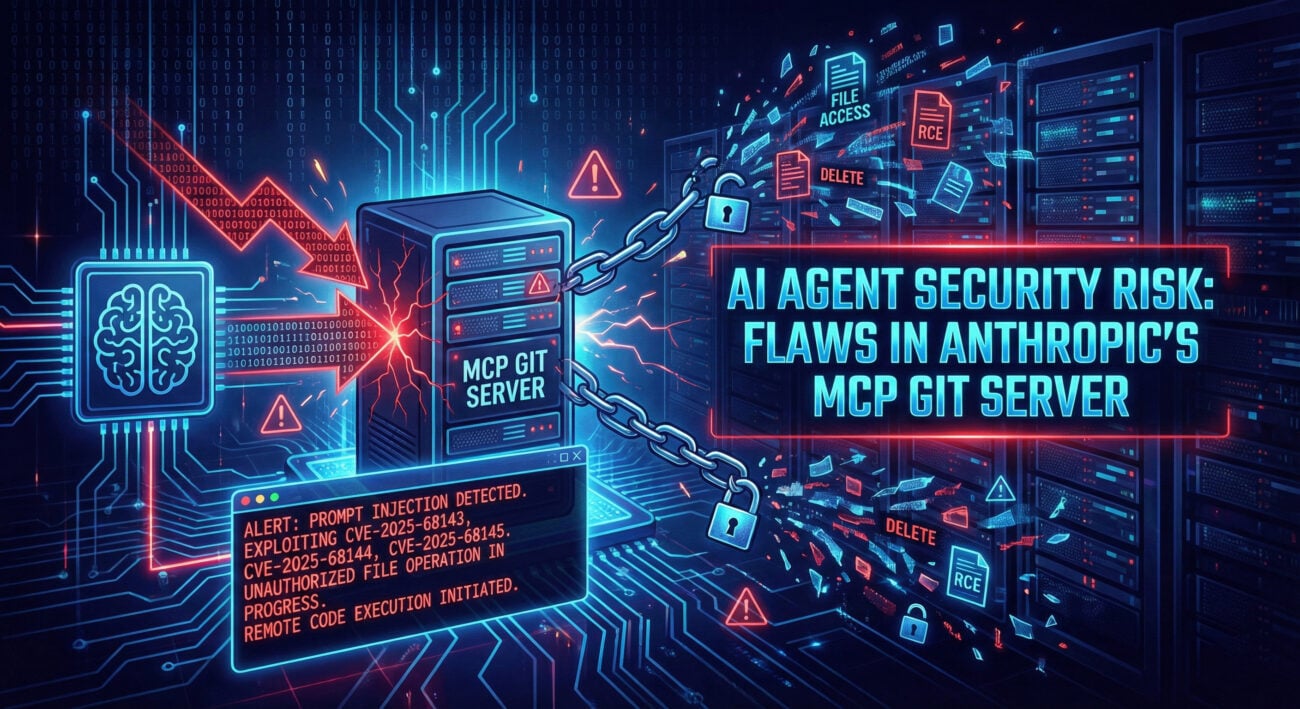
Source: Kaspersky
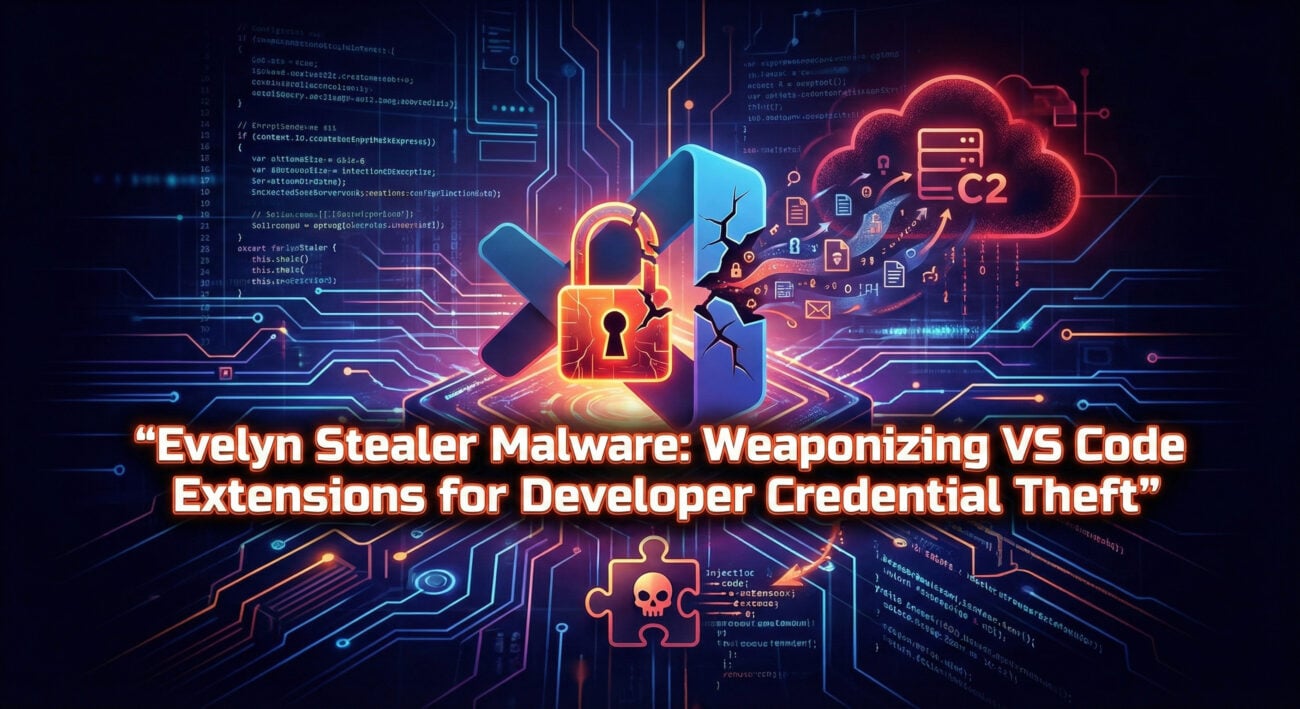
Source: The Register
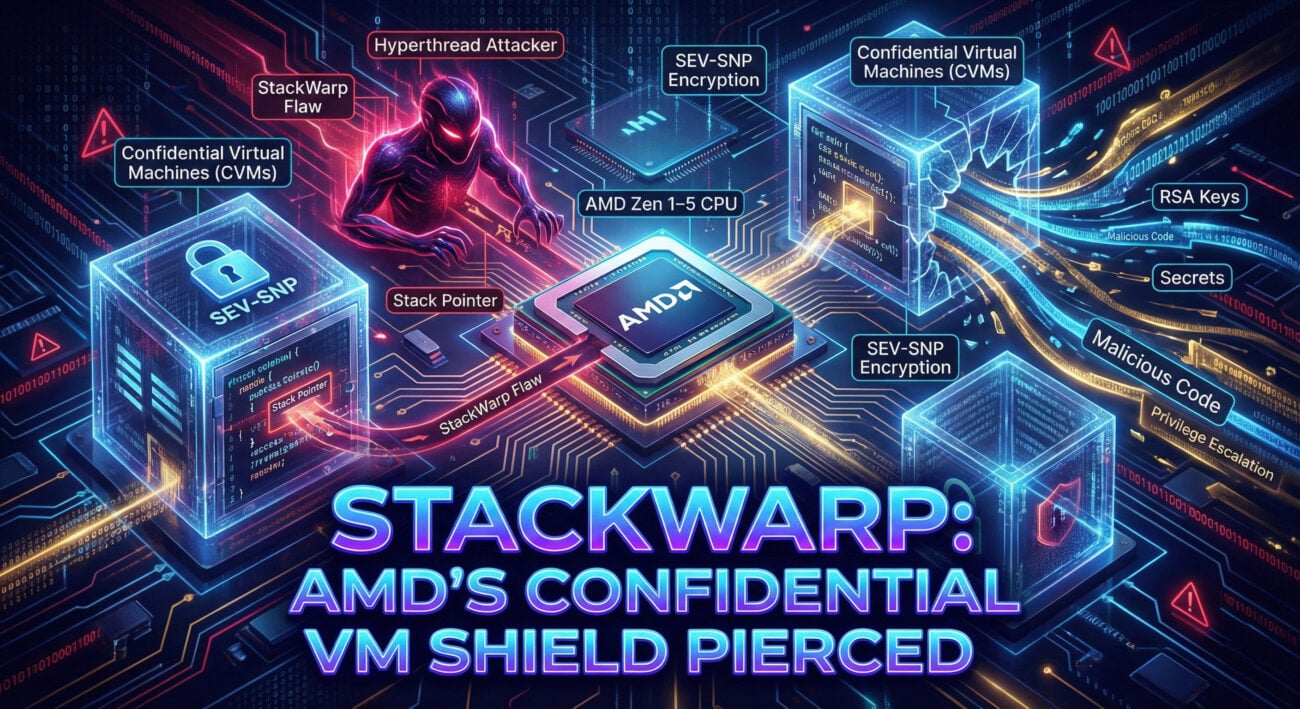
Source: SecurityWeek
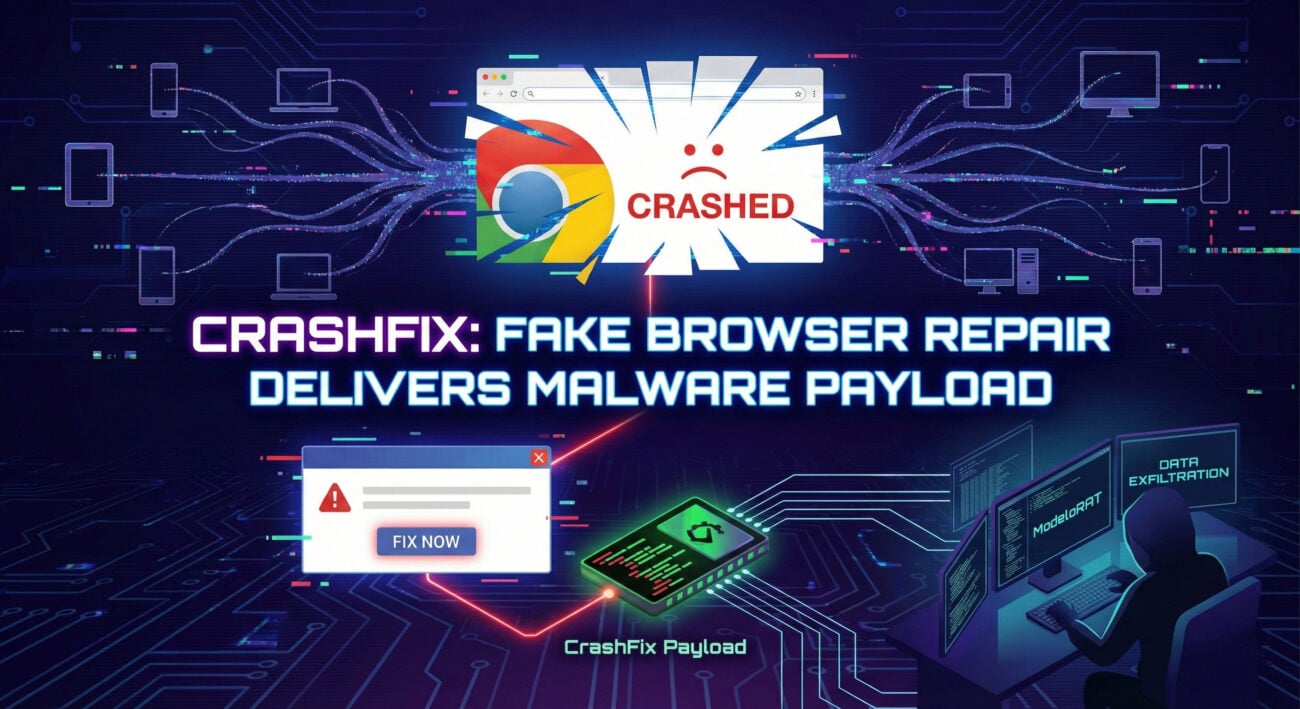
Source: NIST SP 800-193
The evolution from classic boot sector viruses like Stoned, Michelangelo, and Brain to modern UEFI bootkits like BlackLotus and HybridPetya demonstrates how this attack vector remains relevant despite decades of defensive improvements. According to OPSWAT research, boot sector malware persistence mechanisms make them particularly dangerous in targeted attacks where adversaries seek long-term access. The Microsoft BlackLotus UEFI bootkit analysis revealed sophisticated techniques for bypassing Secure Boot protections, showing that even modern security measures can be circumvented by determined attackers targeting the boot process.
KEY TERMS & CONCEPTS
📖 Simple Definition
A Boot Sector Virus is a type of malware that infects the boot sector of storage devices, the specific area on a disk containing the essential code that runs when a computer starts. The boot sector (Master Boot Record or MBR on hard drives, Volume Boot Record or VBR on partitions) contains instructions that tell the computer where to find and how to load the operating system. When a boot sector virus infects this area, it replaces or modifies these legitimate instructions with malicious code. This means the virus loads into memory and executes before the operating system even starts, giving it complete control over the system before any security software can run. Traditional antivirus programs cannot detect boot sector viruses easily because the malware operates at a lower level than the OS, making it invisible to file-scanning security tools.
🏠 Everyday Analogy
Imagine you own a retail store with a trusted store manager who opens the shop every morning, turns off the alarm, unlocks the doors, and prepares everything for business. This manager is like your boot sector, the first thing that "runs" when your store "boots up" for the day.
Now imagine someone secretly replaces your store manager with an impostor who looks and acts exactly the same on the surface. When this impostor opens the store each morning, they appear to do everything normally, except they also disable security cameras, unlock the safe for accomplices, and copy all your customer data before the real employees arrive. By the time your regular staff shows up and your security systems are active, the impostor has already done their damage and appears completely legitimate.
This is exactly how a boot sector virus works. It replaces the legitimate "manager" (your real boot code) with malicious code that runs first thing, before any security measures activate, and can do anything it wants without being detected by systems that only start watching after the "store opens."
REAL-WORLD SCENARIO
🏢 The Setup: Regional Medical Center Network
Riverside Regional Medical Center served a community of 200,000 people with a network of 450 computers across their main hospital and three satellite clinics. IT Director Michael Torres had implemented comprehensive security measures: enterprise antivirus on all endpoints, network segmentation, regular patching cycles, and 24/7 SOC monitoring. The hospital had passed multiple security audits and was considered well-protected against cyber threats. What Michael didn't realize was that a maintenance technician had used an infected USB drive on a diagnostic workstation six months earlier, a drive containing a sophisticated boot sector virus designed specifically for targeted attacks against healthcare organizations.
🦠 The Infection: Silent Persistence
The boot sector virus, a custom variant related to the Petya family, had infected the workstation's Master Boot Record and immediately spread to connected network storage devices during boot cycles. Because the virus loaded before the operating system, it remained invisible to all the antivirus software running on the infected machines. The malware was patient, it spent months silently spreading through the network via shared boot configurations and infected backup images, establishing persistence across 78 systems including critical servers. Each time an infected computer restarted, the virus executed first, checking for new infection opportunities while maintaining a clean appearance to any security tools running within Windows.
📉 The Activation: Catastrophic Shutdown
The attack triggered on a Tuesday morning at 6:47 AM, just as the day shift arrived. As staff members powered on computers across the hospital, the boot sector virus activated its payload simultaneously on all infected machines. Instead of loading Windows, each screen displayed a fake "disk repair" message while the Master Boot Record was being encrypted and overwritten. Within 30 minutes, 78 critical systems, including the electronic health records system, pharmacy management, lab results databases, and administrative workstations, were completely locked. The virus had also corrupted the boot sectors of backup drives connected to infected systems, making standard recovery impossible. Hospital operations ground to a halt; ambulances were diverted, surgeries postponed, and patient care severely compromised.
🛡️ The Recovery: Expensive Lessons
The recovery process took 11 days and cost over $2.3 million. Because the virus operated at the boot sector level, simply reinstalling Windows wasn't sufficient, the MBR and VBR on each drive had to be manually rebuilt using specialized boot recovery tools. The hospital brought in forensic specialists who traced the infection back to the original USB drive, leading to revised policies for external media. Michael implemented UEFI Secure Boot across all systems, deployed boot-level integrity monitoring, and established isolated recovery procedures for future incidents. The hospital also created offline bootable recovery media for rapid response. Most importantly, the incident led to organization-wide training about the unique dangers of boot-level malware, threats that conventional security tools simply cannot protect against once infection occurs. The experience transformed Riverside's security posture, but the cost in patient care disruption and financial impact served as a stark reminder about threats that exist below the operating system.
STEP-BY-STEP GUIDE
Recognize Boot Sector Virus Symptoms
- Watch for systems that fail to boot properly, display unusual messages during startup, or show "No boot device" errors despite having valid drives
- Monitor for unusual drive activity during boot sequence, especially when the system should be idle before OS loading
- Note any cases where standard antivirus scans find no malware despite clear symptoms of infection or unusual system behavior
Boot from Trusted Recovery Media
- Create or obtain a known-clean bootable recovery USB or DVD from a verified, uninfected system
- Boot the suspected infected machine from this external media rather than the potentially compromised hard drive
- Ensure the recovery environment is completely isolated from the infected storage to prevent cross-contamination
Scan Boot Sectors with Specialized Tools
- Use dedicated boot sector scanning tools that can examine the MBR and VBR from outside the operating system
- Compare the current boot sector against known-good templates to identify unauthorized modifications
- Check for common boot sector virus signatures and suspicious code patterns in the boot area
Backup and Preserve Evidence
- Create a forensic image of the infected drive before any cleaning attempts in case recovery is needed or investigation required
- Document all findings including the specific boot sector modifications, virus signatures, and affected areas
- Preserve samples of the malicious boot code for potential submission to security researchers or authorities
Repair or Rebuild the Boot Sector
- Use boot sector repair utilities to restore the original MBR or VBR from backup or standard templates
- For severe infections, use the "fixmbr" command in Windows Recovery Environment or equivalent tools for other operating systems
- If the boot sector is irreparably damaged, perform a complete drive wipe and reinstall from known-good media
Implement Preventive Measures
- Enable UEFI Secure Boot on all compatible systems to prevent unauthorized boot code execution
- Configure BIOS/UEFI passwords to prevent unauthorized changes to boot settings
- Deploy boot-level integrity monitoring that alerts when MBR or boot configurations change unexpectedly
Verify Complete Removal and Harden Systems
- Boot the cleaned system multiple times and verify normal startup behavior with no unusual messages or delays
- Run comprehensive antivirus scans from within the operating system after boot sector cleanup
- Update all firmware (BIOS/UEFI) to latest versions and apply all security patches to prevent reinfection vectors
COMMON MISTAKES & BEST PRACTICES
❌ Common Mistakes
- Relying solely on antivirus software – Boot sector viruses load before the OS and antivirus programs, making them invisible to standard file-scanning security tools that only run within Windows.
- Reinstalling the operating system only – Simply reinstalling Windows or your OS does not remove boot sector infections; the virus persists in the MBR/VBR and reinfects the fresh installation.
- Booting from the infected drive – Attempting to clean a boot sector virus while booted from the infected drive allows the virus to remain active and interfere with removal efforts.
- Ignoring UEFI Secure Boot warnings – Dismissing Secure Boot warnings or disabling Secure Boot to "fix" boot problems can allow bootkits to execute and persist undetected.
- Not verifying complete removal – Assuming a boot sector virus is gone after initial cleanup without thorough verification can lead to reinfection and continued compromise.
✓ Best Practices
- Enable and maintain UEFI Secure Boot – Secure Boot validates boot code signatures before execution, preventing unauthorized boot sector modifications from loading.
- Boot from trusted external media for cleaning – Always perform boot sector cleaning from a known-clean bootable USB or DVD to prevent virus interference.
- Regular boot sector integrity monitoring – Deploy tools that monitor and alert on MBR/VBR changes, catching boot sector infections early before they spread.
- Maintain offline bootable recovery media – Keep updated recovery media for all systems to enable rapid boot sector repair without depending on potentially infected systems.
- Apply firmware security updates promptly – Keep BIOS/UEFI firmware updated to patch vulnerabilities that bootkits could exploit to bypass Secure Boot protections.
RED TEAM vs BLUE TEAM VIEW
🔴 Red Team Perspective (Attacker)
- Persistence through boot sector infection – Compromising the MBR ensures malware survives OS reinstalls, providing persistent access even after victim "cleans" their system.
- Loading before security controls – Boot sector execution happens before any security software loads, giving attackers complete control without detection.
- UEFI vulnerability exploitation – Modern bootkits exploit UEFI firmware vulnerabilities (like CVE-2024-7344) to bypass Secure Boot protections entirely.
- Supply chain compromise – Infecting devices during manufacturing or distribution plants boot sector malware on systems before they reach customers.
- Dual-purpose payloads – Designing boot sector components that appear as legitimate boot managers while hiding malicious functionality in seemingly normal boot processes.
🔵 Blue Team Perspective (Defender)
- Secure Boot enforcement – Implementing and maintaining UEFI Secure Boot ensures only signed, trusted code executes during the boot process.
- Boot integrity verification – Deploying tools that regularly verify MBR/VBR checksums against known-good baselines detects unauthorized modifications.
- Firmware-level monitoring – Using TPM measurements and firmware attestation to detect boot process anomalies before the OS loads.
- Recovery environment preparation – Maintaining clean bootable recovery media enables rapid response to boot sector infections without depending on compromised systems.
- Boot policy configuration – Setting appropriate BIOS/UEFI policies prevents unauthorized boot device changes and protects boot configuration with passwords.
THREAT HUNTER'S EYE
🔍 How Attackers Exploit Boot Sector Vulnerabilities
From a threat hunting perspective, boot sector attacks represent one of the most sophisticated and difficult-to-detect threat categories. Understanding how adversaries approach these attacks reveals critical detection and prevention opportunities that span the entire boot chain.
- Physical access exploitation – Attackers with brief physical access to systems can infect boot sectors using bootable USB drives that execute malicious code before the OS loads. Threat hunters monitor for unauthorized physical access events, unusual USB device connections during off-hours, and systems booting from unexpected devices. Organizations should implement BIOS/UEFI passwords, disable unauthorized boot devices, and use tamper-evident seals on critical systems.
- Dual-use legitimate boot tools – Boot sector malware often masquerades as legitimate boot utilities, password recovery tools, or disk management software. Users download these "helpful" tools without realizing they contain hidden MBR modification capabilities. Threat hunters analyze the hash values and signatures of all boot-related tools, maintain whitelists of approved boot utilities, and alert on any unapproved boot sector modification attempts.
- UEFI implant persistence – Advanced bootkits like BlackLotus write malicious code to UEFI firmware's NVRAM, surviving even hard drive replacements. These implants execute during the earliest boot stages and can disable Secure Boot programmatically. Threat hunters use firmware integrity checking tools, monitor UEFI variable changes, and deploy TPM-based attestation to verify the entire boot chain remains uncompromised.
- Boot sector polymorphism – Sophisticated boot sector viruses employ polymorphic techniques, changing their code appearance with each infection while maintaining functionality. This evades signature-based detection that might otherwise identify known MBR malware. Threat hunters focus on behavioral indicators, unusual boot timing, unexpected network connections before OS load, and deviation from known-good boot sector checksums, rather than relying solely on signatures.
- Network boot protocol abuse – In enterprise environments using PXE (Preboot eXecution Environment) for network-based deployment, attackers can inject malicious boot images into the boot process. Compromised DHCP or TFTP servers can serve infected boot code to all systems attempting network boot. Threat hunters verify the integrity of PXE boot infrastructure, implement secure boot protocols for network boot, and monitor for unauthorized boot servers appearing on the network.
🛡️ Protect Your Boot Sector Before It's Too Late
Have questions about boot sector virus detection, prevention, or recovery? Share your experiences or ask our cybersecurity experts for guidance on protecting your systems from these deep-level threats.